
Computing with magnetic and sound waves: DARPA gives Michigan team up to $6 million
Instead of voltages, magnetic and acoustic waves are to represent ones and zeros. The University of Michigan team believes computers 100 to 1,000 times faster and more efficient are possible.
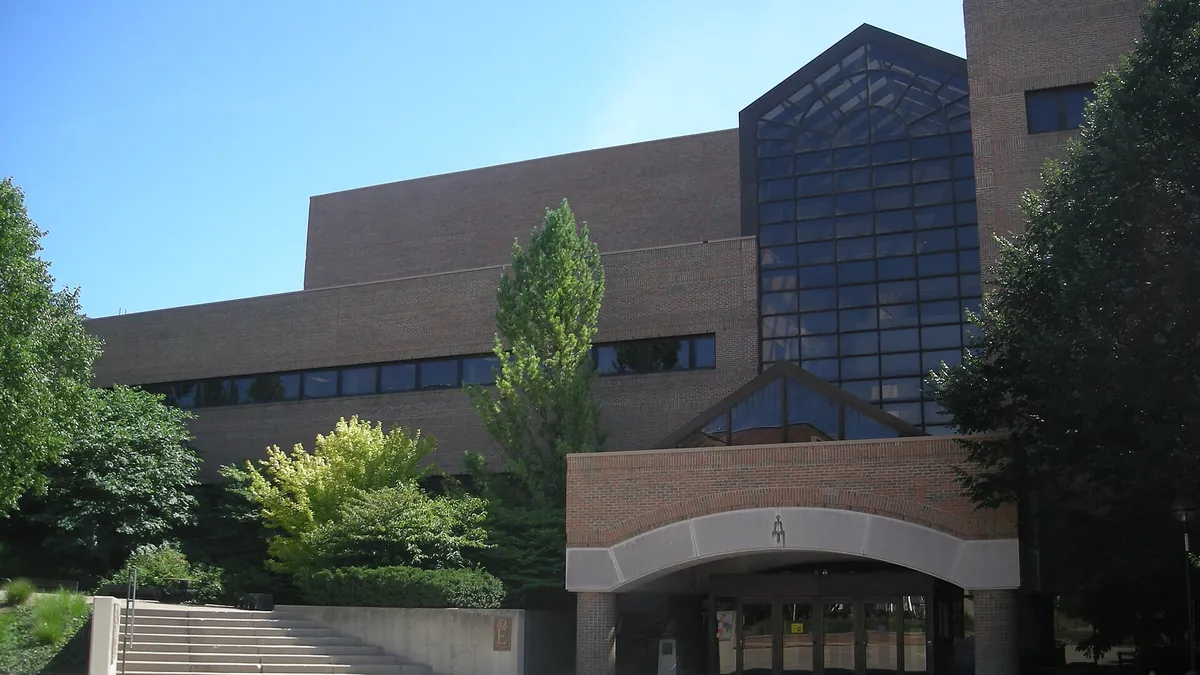
Archive image · Photo: Michael Barera / Wikimedia Commons, CC BY-SA 4.0 (cropped and resized)
The University of Michigan is receiving up to six million dollars from the US research agency DARPA's "Fast and Curious" programme, the university announced on 20 October. The team led by materials scientist John Heron wants to develop an alternative to the transistor. The background: conventional transistors are expected to reach their maximum energy efficiency by 2037.
The device, called M3BOLT, consists of the ferroelectric crystal PMN-PT topped with a magnetic iron-gallium film. Magnetic waves (magnons) and non-magnetic sound waves are to represent the states 1 and 0. Because magnons can operate at terahertz frequencies, computers could, according to the announcement, process data hundreds of times faster than today's gigahertz processors. Because the magnetic orientation is retained without power, the same material could also serve as memory.
The researchers estimate that computers could become 100 to 1,000 times faster and more energy-efficient; the device is still an early design concept. Also involved are Roozbeh Tabrizian, Wei Lu and Jiamian Hu of the University of Wisconsin-Madison. "Autonomous or mobile devices could carry better computers without huge power supplies," says Heron.