
Bundesbank: German economy stalls over summer – recovery expected by year-end
Low Rhine water levels, car plant conversions and high energy prices held back the third quarter. Inflation is likely to rise noticeably again in early 2027.
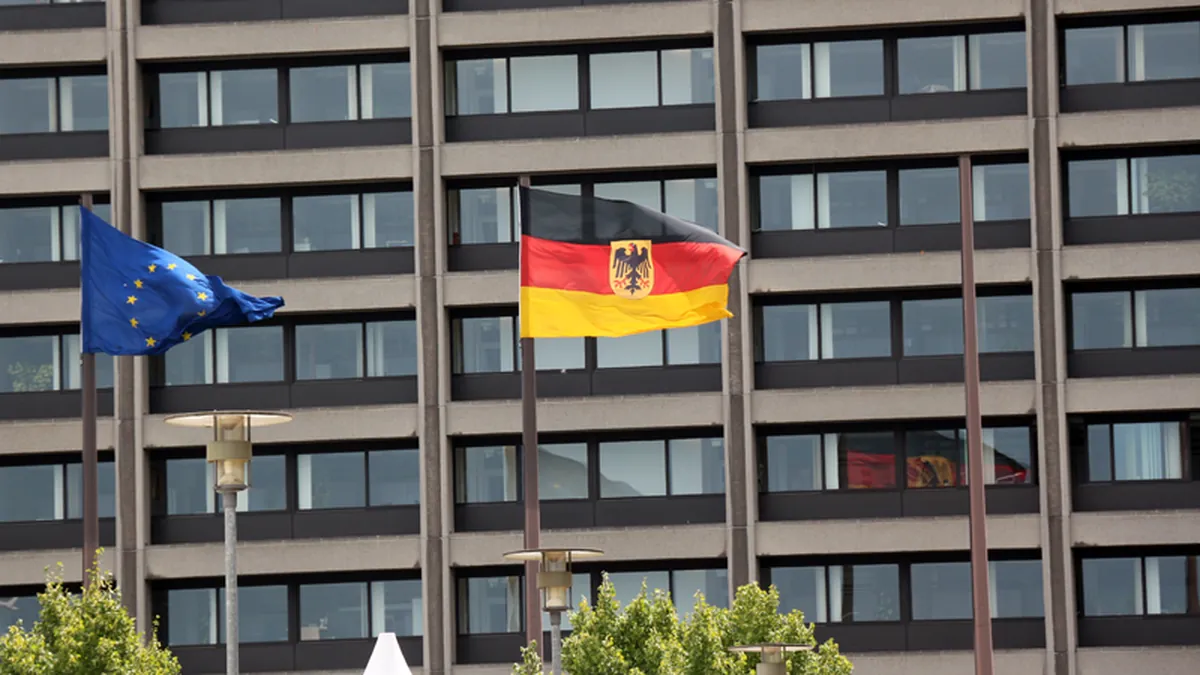
Archive image · Photo: Kandschwar / Wikimedia Commons, CC BY-SA 3.0 (cropped and resized)
The German economy did not grow in the third quarter, according to the Bundesbank. After noticeable growth in the first half, the recovery has been interrupted for now, the central bank said in its monthly report published on Wednesday. Economic output is likely to grow noticeably again in the fourth quarter, the economists wrote, while pointing out that this depends on how the Middle East conflict develops.
The Bundesbank cited mainly temporary factors: low water levels on the Rhine hampered inland shipping, and the car industry was hit by plant holidays and a multi-week conversion to electric vehicles. A fuel tax rebate also shifted fuel purchases, and high energy prices weighed on consumption. Construction, especially civil engineering, supported the economy. Seasonally adjusted unemployment rose to 3.01 million in September, with the rate unchanged at 6.4%.
Inflation as measured by the European standard reached 3.3% in September, the highest since late 2023. The Bundesbank expects it to stay high for now, as higher energy costs feed through with a delay to transport, food and industrial goods. It expects another noticeable rise in early 2027 – due to the expiry of the fuel rebate, which runs from October to December, and higher co-payments under the planned health reform.