
‘Made in Europe’ for cars: Berlin and Paris strike deal, VDA sees gaps
Germany and France want purchase subsidies only for cars built in Europe. Germany's auto industry association VDA welcomed the signal but wants more time on batteries.
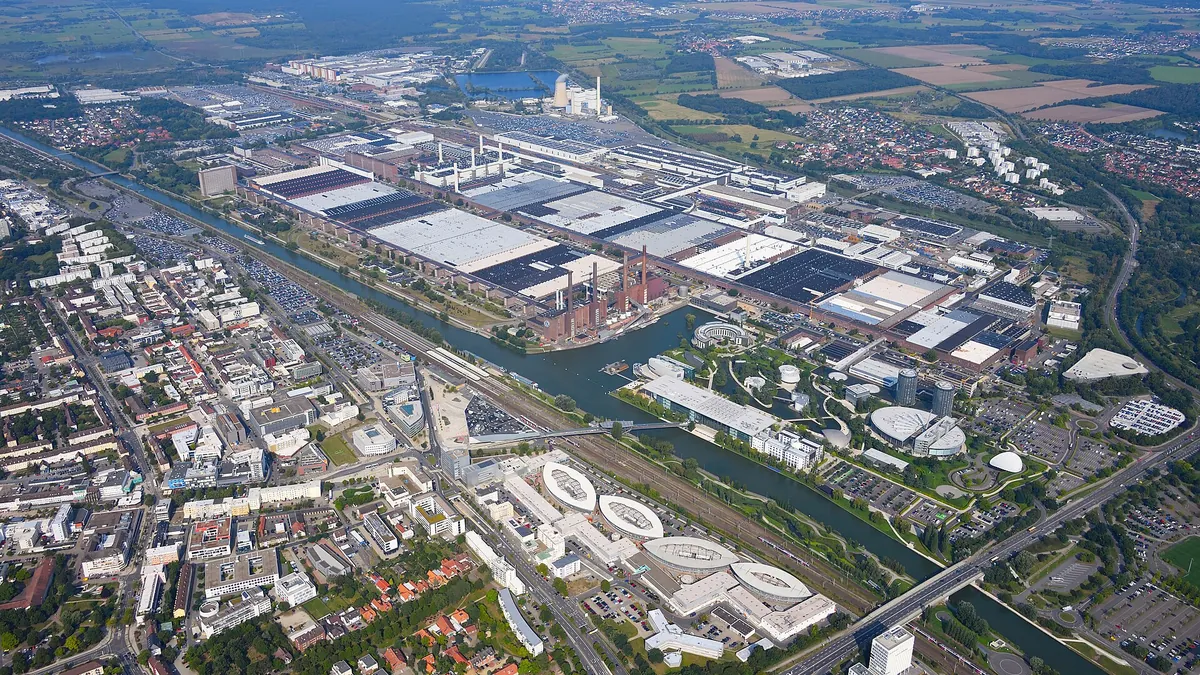
Symbolic image · Photo: Carsten Steger / Wikimedia Commons, CC BY-SA 4.0 (cropped and resized)
Germany and France agreed on joint “Made in Europe” rules for cars late on Oct. 15 on the sidelines of an EU summit in Brussels. According to EUobserver, cars would have to be assembled in Europe from 2028, with at least 70% of the value of components, excluding the battery, coming from Europe. Only such vehicles would be eligible for public subsidies for purchase, leasing or rental, or could be bought by public authorities. Germany accepted the stricter origin rules, while France agreed to looser CO2 targets for carmakers in return.
“This is an investment signal to industry,” German Chancellor Friedrich Merz said. French President Emmanuel Macron said the aim was to successfully transform the auto industry while upholding climate goals. Ireland, which holds the rotating EU presidency, hopes for agreement on the wider industrial law by mid-November; other member states still have to sign on.
The German Association of the Automotive Industry (VDA) backs the position as a signal but sees gaps, according to Automotive World. It wants mandatory use of European battery cells and components to apply from 2031 instead of 2028, while supporting a 90% CO2 cut by 2035. The rules cover the 27 EU states and, under conditions, Britain, but not Japan and Turkey, whose inclusion Toyota has called for.