
ECB economists: renewables and nuclear power cushion euro area's energy shock
The euro area depends on oil only half as much as in the early 1990s. Together with public spending and the AI boom, this kept the economy stable despite the Iran war, ECB experts write, according to Reuters.
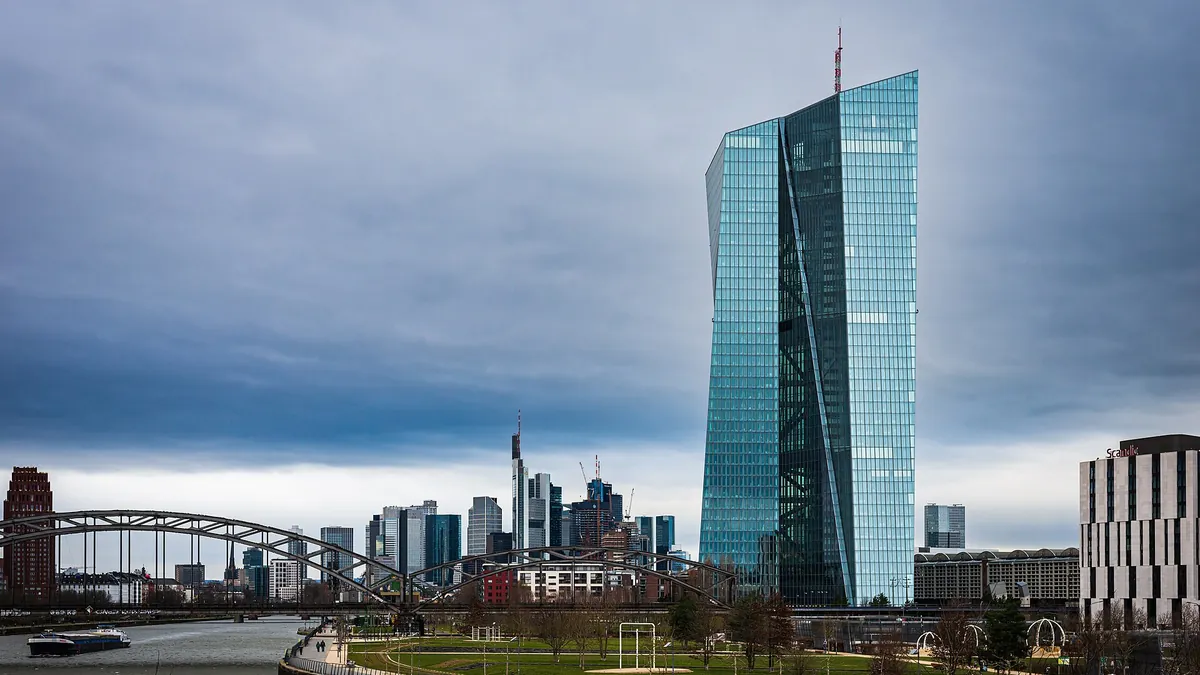
Archive image · Photo: Norbert Nagel / Wikimedia Commons, CC BY-SA 4.0 (cropped and resized)
The euro area has weathered this year's energy price shock better than expected. That is the view of ECB economists Oscar Arce, Gerrit Koester and Beatrice Pierluigi in a European Central Bank blog post published on Wednesday, Reuters reported. By their estimate, as reported by Reuters, the currency bloc's economy now depends on oil only about half as much as it did in the early 1990s.
In addition, higher power generation from renewables and nuclear energy has weakened the link between gas and electricity prices in several countries. The economy is also being supported by fiscal policy: the impulse stands at 0.5% of GDP, double what was expected at the end of last year, mainly due to German spending on defence and infrastructure. The authors describe AI-related trade as an important tailwind.
The economists warn, however, that much of this support may prove temporary. If demand, fiscal stimulus and AI investment fade, the euro area would be vulnerable to new geopolitical tensions or disruptions in energy markets. Oil and gas prices rose sharply after the Iran war began. According to Reuters, the ECB is expected to raise rates again in December, its third hike this year.