
ADHD: Meta-analysis finds 70 percent higher risk of early death
According to a review in JAMA Network Open covering almost 16 million people, those affected die earlier. Medication may lower the risk, but the evidence for that is thin.
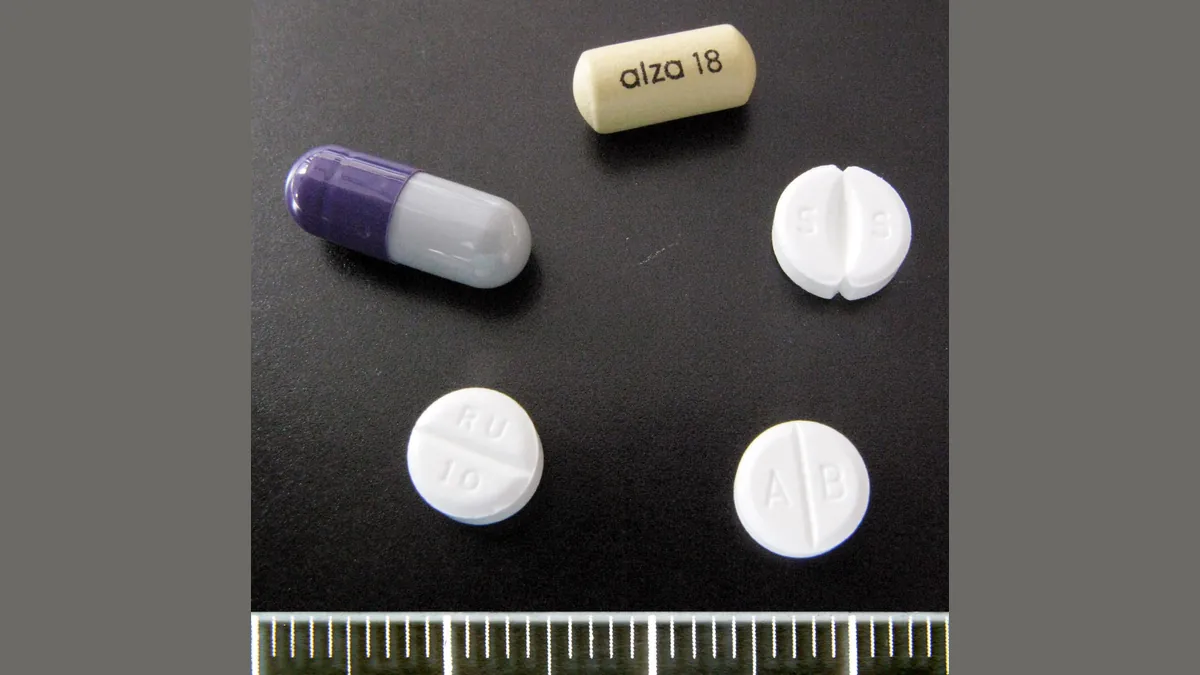
Symbolic image · Photo: Alfie / Wikimedia Commons, CC BY-SA 3.0 (cropped and resized)
People diagnosed with ADHD have a 70 percent higher risk of dying prematurely than people without the diagnosis, according to a new meta-analysis. The findings come from a team at the University of Liverpool and University College London (UCL) and were published in the journal JAMA Network Open (press release dated Oct. 19, 2026). The researchers analysed 19 observational studies with a combined total of almost 16 million participants on three continents; some followed participants for more than 20 years.
According to the researchers, the gap was largest for suicide (90 percent higher) and for deaths from injuries, whether intentional or accidental (55 percent higher). Deaths from natural causes were also 27 percent more frequent. The authors point to more frequent physical health conditions, risky health behaviour such as smoking or drinking, and barriers to accessing care as possible reasons.
People who took ADHD medication had a 25 percent lower risk of death, according to the data – but this finding rests on only three of the 19 studies and is considered tentative. Because the data are observational, they show associations, not causes. Senior author Joshua Stott (UCL) stressed in the university's statement that ADHD is not by definition a life-limiting condition; first author Lucy Corrigan said medication is only one part of comprehensive, long-term support.
This article is for information only and is not legal, tax, financial or medical advice. Figures as of the date stated.