
Earthquake fears push Istanbul homebuyers away from older central buildings
More buyers are choosing new construction on the outskirts over aging buildings in central districts. Sales of existing homes in Turkey fell 9.2% in the first eight months.
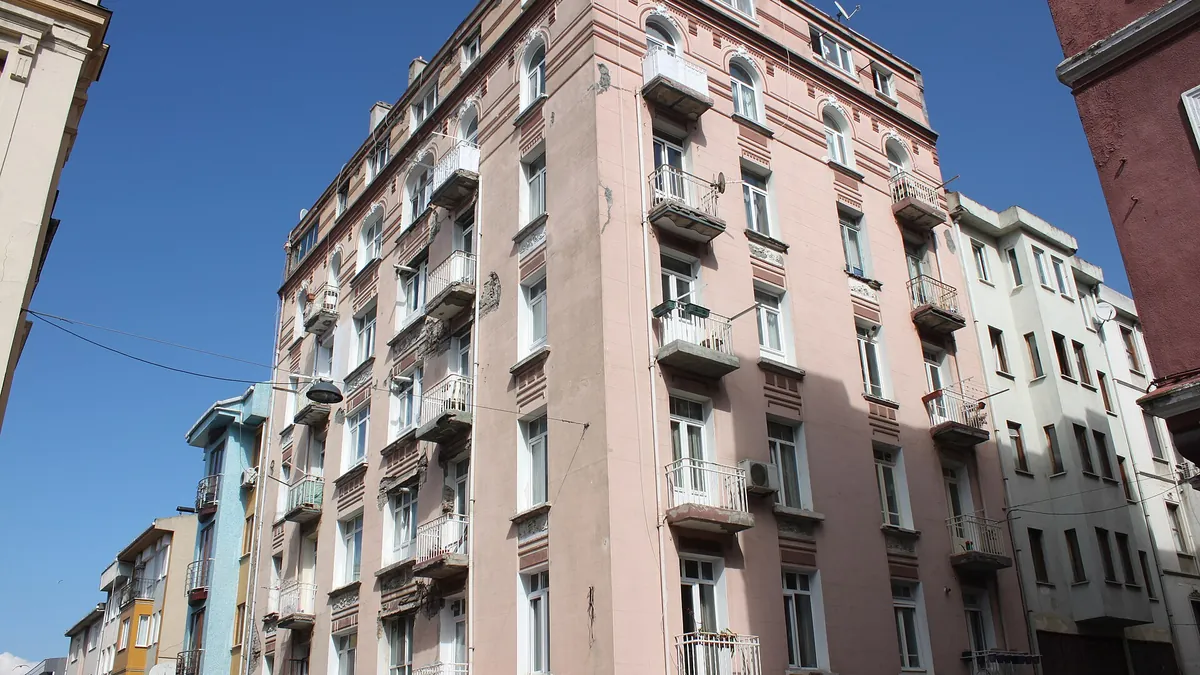
Symbolic image · Photo: Magurale / Wikimedia Commons, CC BY-SA 4.0 (cropped and resized)
Demand in Istanbul's housing market is shifting from the center to the outskirts, as buyers increasingly avoid older buildings in districts such as Besiktas, Sisli and Kadikoy, where much of the housing stock is 50 to 60 years old. Bulgarian news portal Fakti.bg reported the trend on Oct. 14, citing Turkish trade publication Ticarigm360. Buyers are turning instead to new developments in areas such as Basaksehir, Bahcesehir, Arnavutkoy and Beylikduzu on the European side and Kartal, Pendik and Kurtkoy on the Asian side.
Figures from the Turkish Statistical Institute point to a cooling market. In the first eight months of 2026, sales of existing homes across Turkey fell 9.2% year on year to 642,135, while new-build sales slipped 1.4% to 308,394. A Central Bank of Turkey study published in December 2025 found that after the February 2023 earthquakes, prices and rents rose more slowly in neighborhoods with high seismic risk. Homes there built before Turkey's 2007 building codes sold at significantly larger discounts.
Fresh concern followed the partial collapse of a seven-story residential building in the Maltepe district on Oct. 8. Buyers also face post-purchase costs for aging plumbing, elevators, roofs and facades, as well as a shortage of parking in central areas. Still, a building's age alone is not a sufficient indicator of its safety, the report said. It did not give prices per square meter or rent levels for Istanbul.
This article is for information only and is not legal, tax, financial or medical advice. Figures as of the date stated.