
Bulgaria proposes 660-euro minimum wage for 2027
The 6.4% rise adds almost 40 euros a month but stays below the 672.80-euro ceiling of the new formula, which the labor ministry had said it was aiming for.
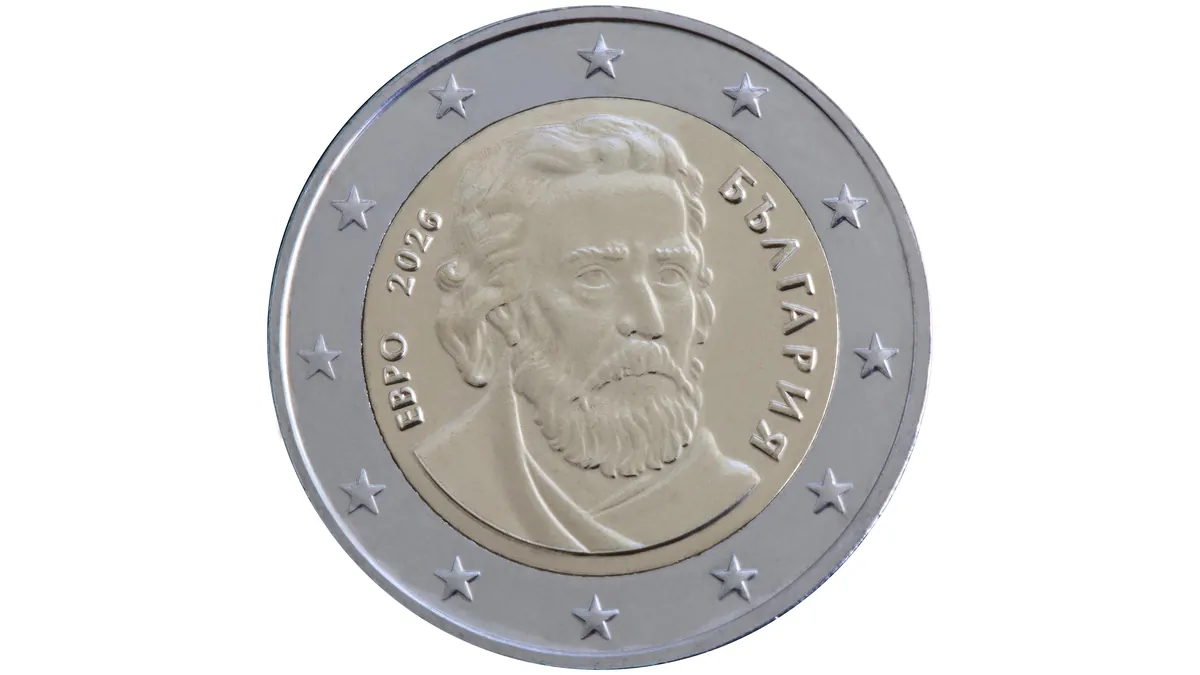
Symbolic image · Photo: Design commissioned and issued by the Bulgarian National Bank (Българска народна банка) on behalf of the Republic of Bul / Wikimedia Commons, Public domain (cropped and resized)
Bulgaria's government is proposing to raise the monthly minimum wage to 660 euros from Jan. 1, 2027. The draft decree was posted for public consultation on the evening of Oct. 14. Compared with the current 620.20 euros, the increase is 39.80 euros, or 6.4%. The minimum hourly rate would be 3.98 euros, based on an eight-hour day and a five-day week. According to second-quarter 2026 data, about 462,150 people work full time for the minimum wage.
The figure is below the 672.80-euro ceiling produced by the new formula in the Labor Code. Labor and Social Policy Minister Natalia Efremova had initially said her ministry would aim for the maximum. The final draft, however, matches the figure that Deputy Prime Minister Galab Donev set in the 2027 budget framework. Mediapool calculated that the old, now-repealed method would have produced a wage more than 30 euros higher. The three-year forecast foresees 680 euros in 2028 and 710 euros in 2029.
On the same day, the Cabinet also approved changes to the wage ordinance. Under them, the government must set a range for the following year by Aug. 15 each year: from the current minimum wage up to a ceiling based on four criteria — purchasing power, the overall wage level, wage growth and labor productivity. Dimitar Manolov, president of the Podkrepa trade union confederation, criticized the government for publishing its plans three years in advance. Maria Mincheva of the Bulgarian Industrial Capital Association (BSK) employers' group said 660 euros lies midway between what employers and unions want.