
Lake District: England's lakeland of bare fells, sheep pastures and poetry
Deep lakes, bare fells, dry-stone walls: the Lake District in north-west England has been a national park since 1951 and a UNESCO World Heritage Site since 2017 – and is England's wettest region.
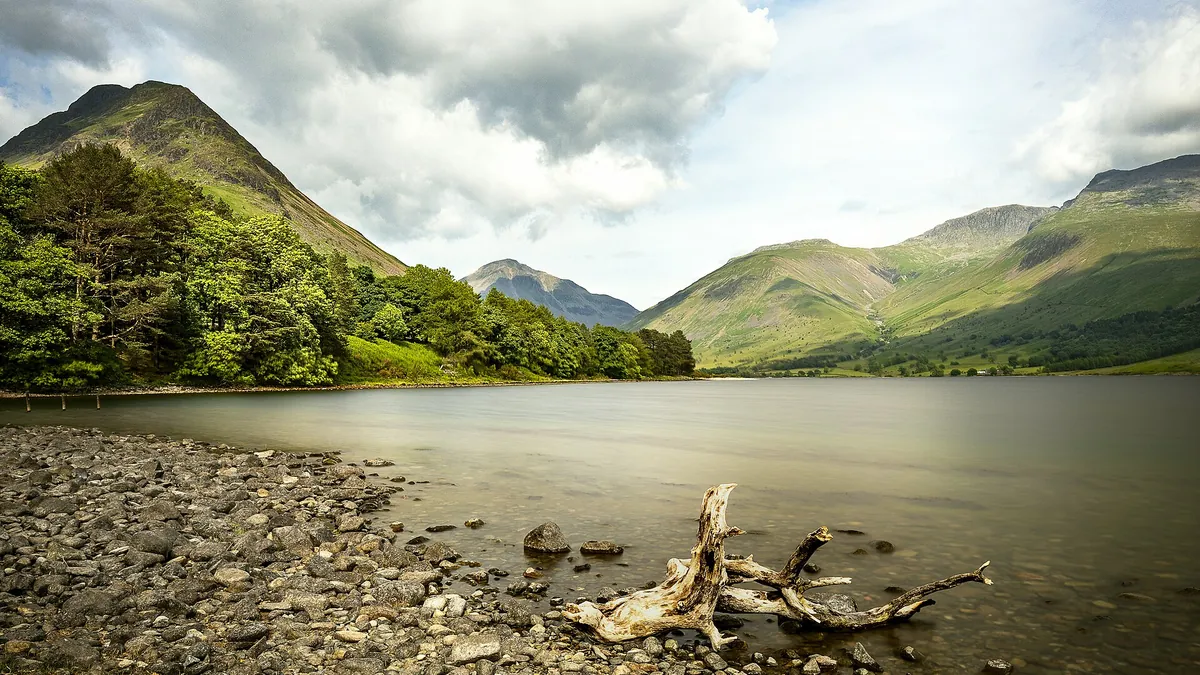
Archive image · Photo: James Johnstone from Ecclefechan, Scotland / Wikimedia Commons, CC BY 2.0 (cropped and resized)
In north-west England, in the county of Cumbria, lies one of Britain's best-known landscapes: the Lake District. The national park was established on 9 May 1951 and, according to Wikipedia, covers around 2,362 square kilometres. Numerous lakes lie between green valleys and bare ridges. England's largest and longest lake, Windermere, covers about 14.8 square kilometres, while Wast Water is the deepest at 79 metres. Above them rises Scafell Pike (978 metres), the highest mountain in England.
The landscape has shaped poets and writers. William Wordsworth, one of the so-called Lake Poets, was inspired by daffodils on the shore of Ullswater to write “I Wandered Lonely as a Cloud” and published a Guide to the Lakes in 1810. Beatrix Potter lived at Hill Top Farm and set many of her Peter Rabbit stories here. The hardy Herdwick sheep is typical of the region; many were lost in the 2001 foot-and-mouth outbreak. In 2017, UNESCO added “The English Lake District” to the World Heritage List.
The region is a magnet for travellers: according to Wikipedia, around 17.7 million tourist visits were recorded in 2024. Waterproofs are a must: with average annual precipitation of more than 2,000 millimetres, the Lake District is England's wettest area, and Seathwaite in Borrowdale gets around 3,300 millimetres. March to June are the driest months, July is the warmest. From November to April, snow is possible on the high ground.
This article is for information only and is not legal, tax, financial or medical advice. Figures as of the date stated.