
Fuel tax cut pushes German inflation down to 2.8% as economy grows 0.2%
Inflation in Germany fell sharply in October, while gross domestic product grew more than expected in the third quarter. Economists credit mainly government spending for the expansion.
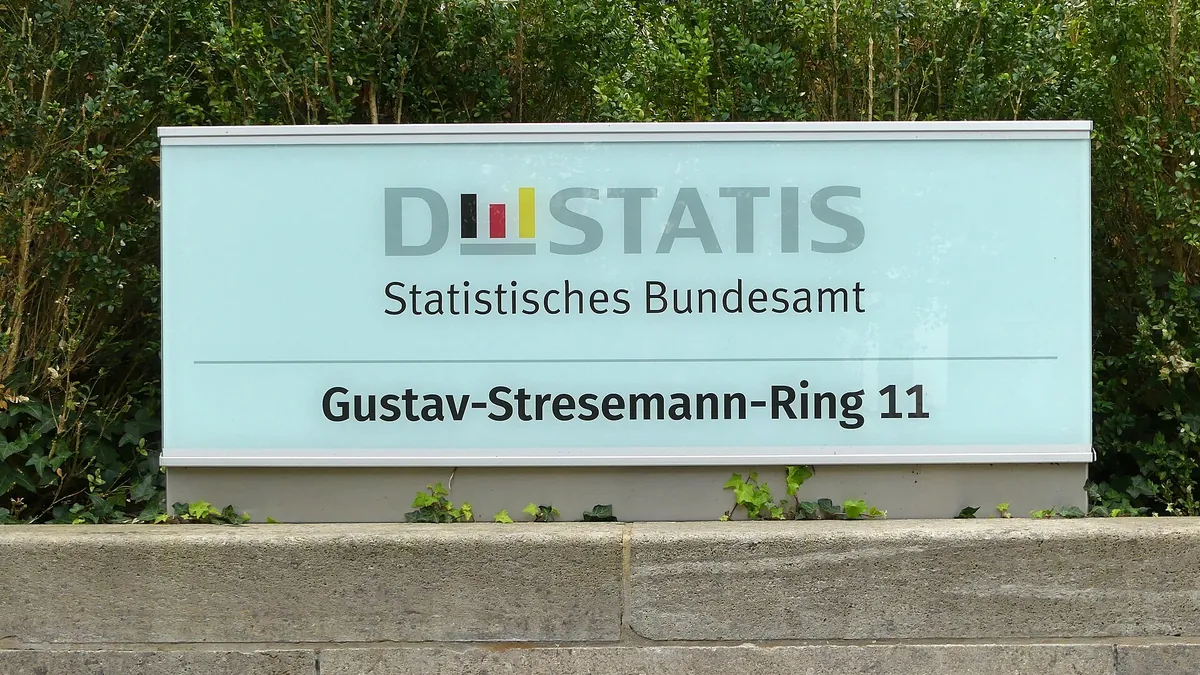
Archive image · Photo: Bärbel Miemietz / Wikimedia Commons, CC BY-SA 4.0 (cropped and resized)
German consumer prices rose 2.8% year on year in October, according to a flash estimate from the Federal Statistical Office. The rate was 3.3% in September, and economists had expected 3.0%. Prices fell 0.2% from the previous month. Core inflation, which excludes energy and food, eased to 2.1% from 2.4%, its lowest level since June 2021, Handelsblatt reported.
The main reason for the decline is the fuel discount: the government cut the energy tax on petrol and diesel on Oct. 1, a measure that runs until the end of the year. Energy prices were still 12.2% higher than a year earlier, after 14.9% in September. The Bundesbank expects inflation to rise noticeably again in early 2027 once the discount expires, Börsen-Zeitung reported.
Earlier on Friday, the statistics office said economic output grew 0.2% in the third quarter from the previous three months and 1.3% from a year earlier. Consumer spending rose slightly, while investment and exports weakened. "What is clear is that it is above all the fiscal stimulus that is producing growth rates that look attractive," Alexander Krüger, chief economist at Bethmann HAL, told ZDFheute.