
Superconducting chip keeps pace with fusion plasma: one million samples per second
A superconducting chip with a brain-inspired network has analysed data from a US fusion reactor in real time. In 2027 it is to be tested directly at the DIII-D tokamak.
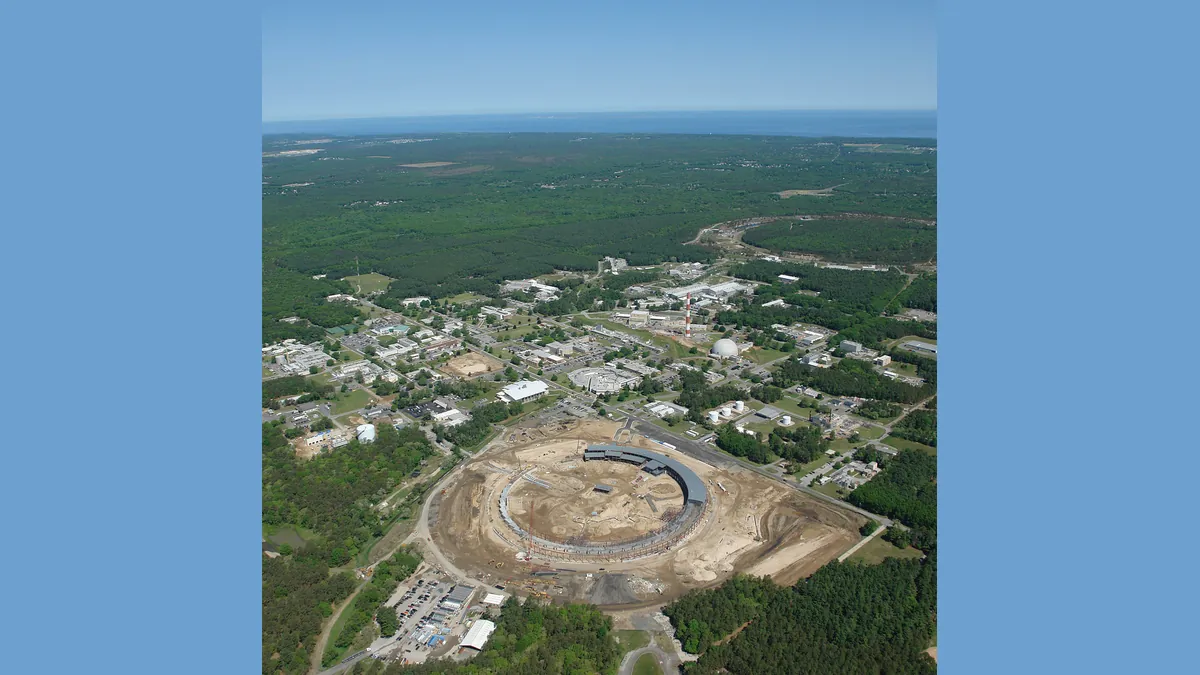
Photo: ENERGY.GOV / Wikimedia Commons, Public domain (cropped and resized)
A superconducting chip has processed measurement data from a fusion experiment at a rate of one million samples per second without falling behind, the US Department of Energy's Brookhaven National Laboratory said. The chip, made by Colorado-based company Great Sky, emulates brain-like neural networks with superconducting circuits and, according to the laboratory, can operate in harsh environments where silicon chips fail.
In tests with data from the DIII-D tokamak, operated by General Atomics in San Diego, the chip classified anomalies in the plasma and predicted disruptions. Another test with simulated data aimed to predict the onset of so-called sawtooth instabilities. The Princeton Plasma Physics Laboratory was also involved. Detecting such instabilities early is considered important for controlling future fusion power plants.
DIII-D director Richard Buttery said the facility plans to integrate the chip in its next experimental campaign. 'This is just the beginning,' said Great Sky CEO Jeff Shainline. In early 2027 the partners plan to demonstrate a chip with a neural network ten times larger at Brookhaven and deploy it directly at DIII-D later that year.