
Sugar molecule in red meat linked to higher type 2 diabetes risk
A French observational study of nearly 90,000 adults links high intake of the molecule Neu5Gc from beef and lamb to a 63% higher diabetes risk. The findings are preliminary.
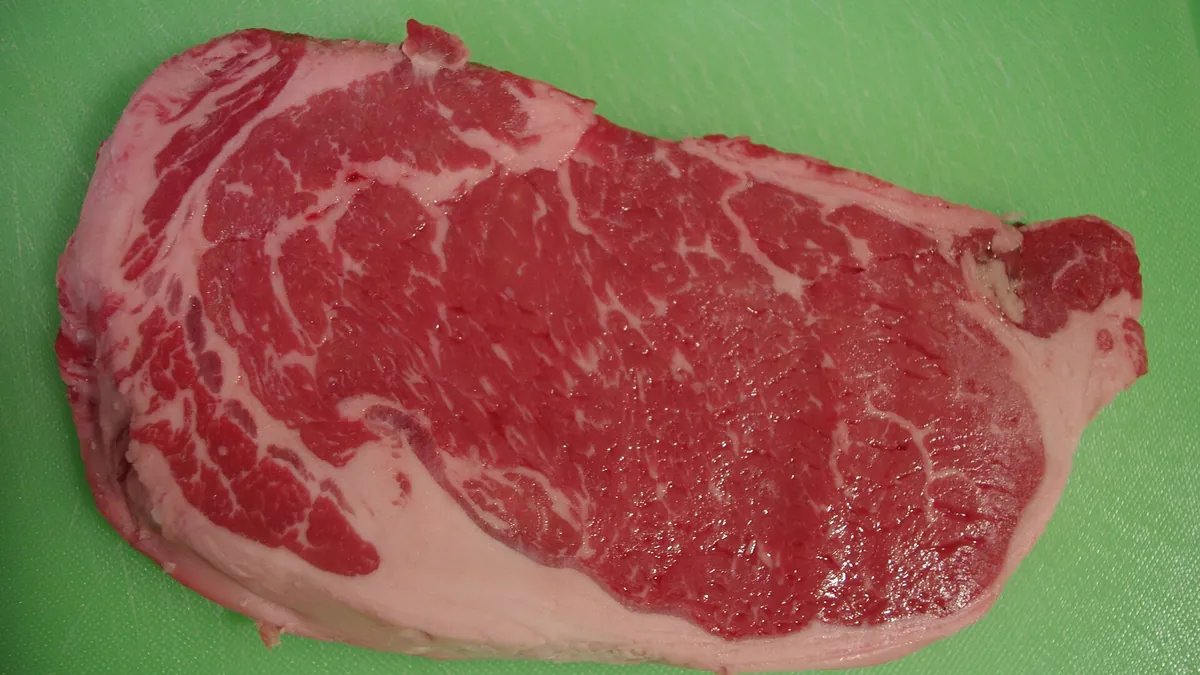
Symbolic image · Photo: Jellaluna / Wikimedia Commons, CC BY 2.0 (cropped and resized)
People with the highest intake of the sugar molecule Neu5Gc from meat had a 63% higher risk of type 2 diabetes than those with the lowest, according to preliminary results from the French NutriNet-Santé cohort study presented at the annual meeting of the European Association for the Study of Diabetes (EASD) in Milan. Neu5Gc is found mainly in beef and lamb, and in smaller amounts in dairy products.
Researchers led by Léopold Fezeu of Université Sorbonne Paris Nord followed 89,953 adults for a median of 7.2 years, during which 966 new cases of type 2 diabetes occurred. Neu5Gc from dairy showed no association. Humans cannot make the molecule themselves; one hypothesis is that the immune system may treat it as foreign, sustaining chronic inflammation.
The authors stress the limitations: the study is observational and does not establish cause, and Neu5Gc intake was estimated from food records rather than measured. After adjusting for total red meat intake, the association was no longer statistically significant. The results have not yet been validated and may change.
This article is for information only and is not legal, tax, financial or medical advice. Figures as of the date stated.