
Romance scams on Tinder: US Senate report accuses Match Group of outdated fraud defences
According to a report by US Senator Maggie Hassan, Tinder barely updated its models for detecting scammers for years. Match Group rejects the findings.
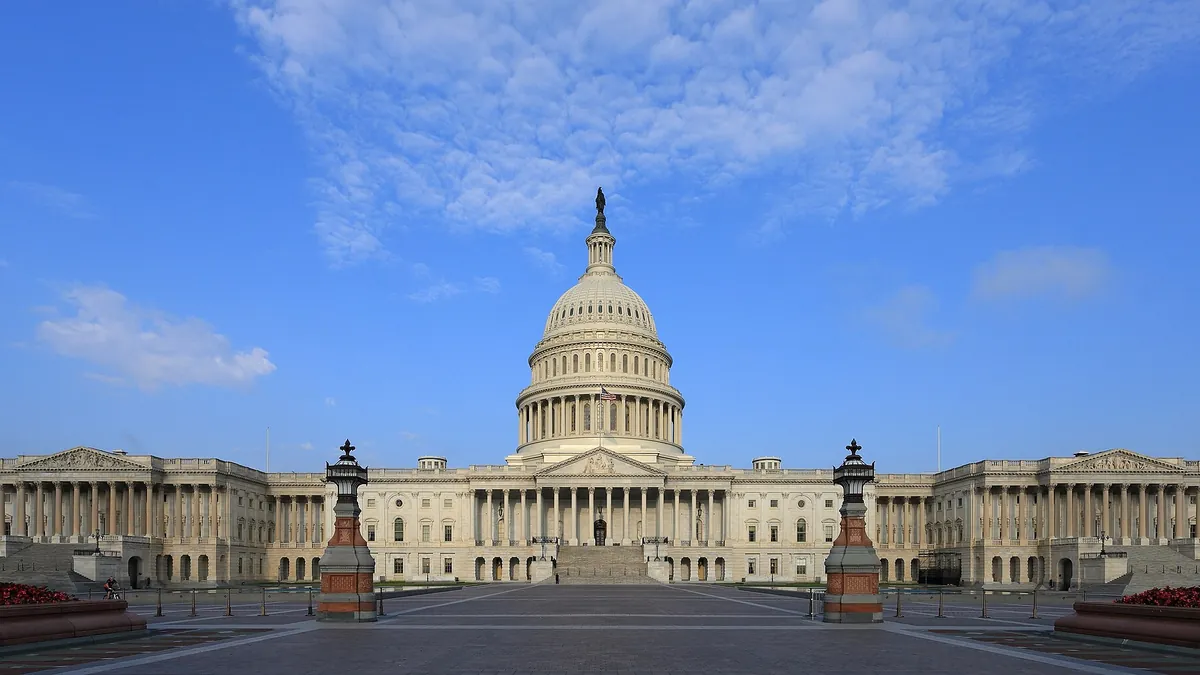
Archive image · Photo: Martin Falbisoner / Wikimedia Commons, CC BY-SA 3.0 (cropped and resized)
A US congressional investigation report levels serious accusations at Match Group, the company behind Tinder and Hinge. Released on 13 October by Democratic Senator Maggie Hassan and the Democratic staff of the Joint Economic Committee, the paper is titled "Outmatched: Tinder Scammers and Match Group's Efforts to Catch Up". It is based on a roughly year-long investigation that Hassan launched in September 2025, more than 670 pages of internal Match Group documents, and interviews with fraud prevention experts and scam victims.
According to the report, Tinder had not updated most of its machine-learning models for detecting scammers for years, even though fraud tactics change constantly. In the first nine months of 2025, nearly 1.5 million scammers and other bad actors on Tinder and Hinge matched with at least one user in the US; in nearly 500,000 cases contact details were exchanged. Between May 2024 and December 2025, the number of profile views received by a typical scammer rose by more than 700 percent. According to the US Federal Trade Commission (FTC), Americans reported nearly 1.5 billion dollars in romance scam losses in 2025.
Match Group rejects the findings. The report "mischaracterizes both the historical scale of our investment and the work already completed," Yoel Roth, Match Group's senior vice president of trust and safety, told NBC News, according to La Voce di New York. The company points to mandatory video selfie verification ("Face Check") for new US Tinder users since December 2025, which it says has cut interactions with scammers and bots by 70 percent, as well as new detection models: in the first half of 2026 Tinder added 169 new automated screening rules and improved 108 others. Congress is also advancing a Romance Scam Prevention Act that would require platforms to notify users who have received messages from accounts flagged as fraudulent.
This article is for information only and is not legal, tax, financial or medical advice. Figures as of the date stated.