
India to launch NVS-03 navigation satellite tonight as NavIC runs short
A GSLV rocket is set to carry the NVS-03 satellite into space at 1821 GMT. India's NavIC navigation system currently has only three working satellites, below the minimum of four.
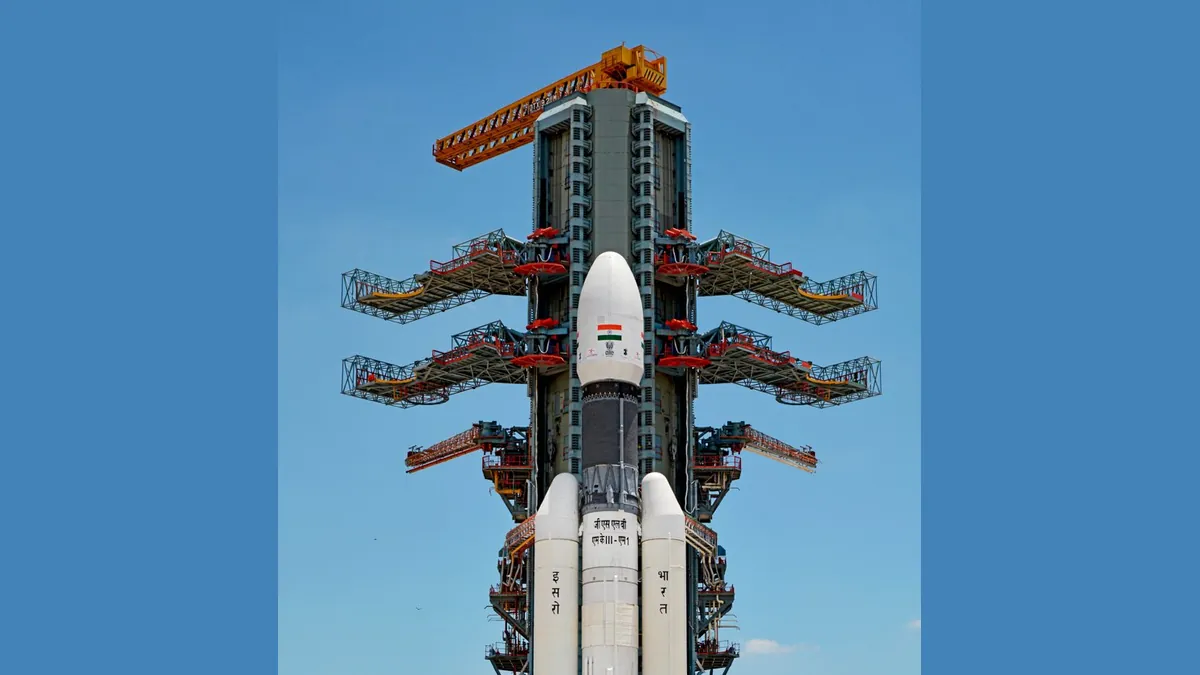
Symbolic image · Photo: https://twitter.com/isro / Wikimedia Commons, CC BY-SA 4.0 (cropped and resized)
The Indian Space Research Organisation (ISRO) plans to launch the NVS-03 navigation satellite on Friday at 11:51 p.m. local time (1821 GMT). The GSLV-F18 rocket, the 20th flight of the Geosynchronous Satellite Launch Vehicle, is to lift off from the second launch pad at the Satish Dhawan Space Centre in Sriharikota and place the satellite in a geosynchronous transfer orbit. NVS-03 is the third satellite in the second generation of India's NavIC navigation system. ISRO plans five satellites in this generation.
The launch is urgent for NavIC: according to Business Standard, only three satellites are currently available for positioning, navigation and timing services: IRNSS-1B, IRNSS-1L and NVS-01. At least four satellites with working atomic clocks are needed for the system to function properly. In March 2026, a failed atomic clock on IRNSS-1F paralyzed the system. Its predecessor NVS-02 failed after launching on a GSLV rocket in January 2025, delaying the following launches.
NVS-03 carries an indigenous atomic clock as well as procured atomic clocks and, in addition to signals in the L5 and S bands, will also transmit on the L1 frequency. NavIC covers India and a region extending about 1,500 kilometers beyond its borders. It offers an open service for civilian users and an encrypted service for authorized users. NVS-01, the first satellite of the new generation, launched in May 2023 as the first Indian navigation satellite with an indigenous atomic clock.