
Hydrogen plus feedstock: Technion electrolysis swaps oxygen for epoxide
Instead of oxygen, the Technion's hydrogen electrolysis produces an epoxide, a feedstock for plastics. Both reactions reach 98 percent efficiency – without any membrane.
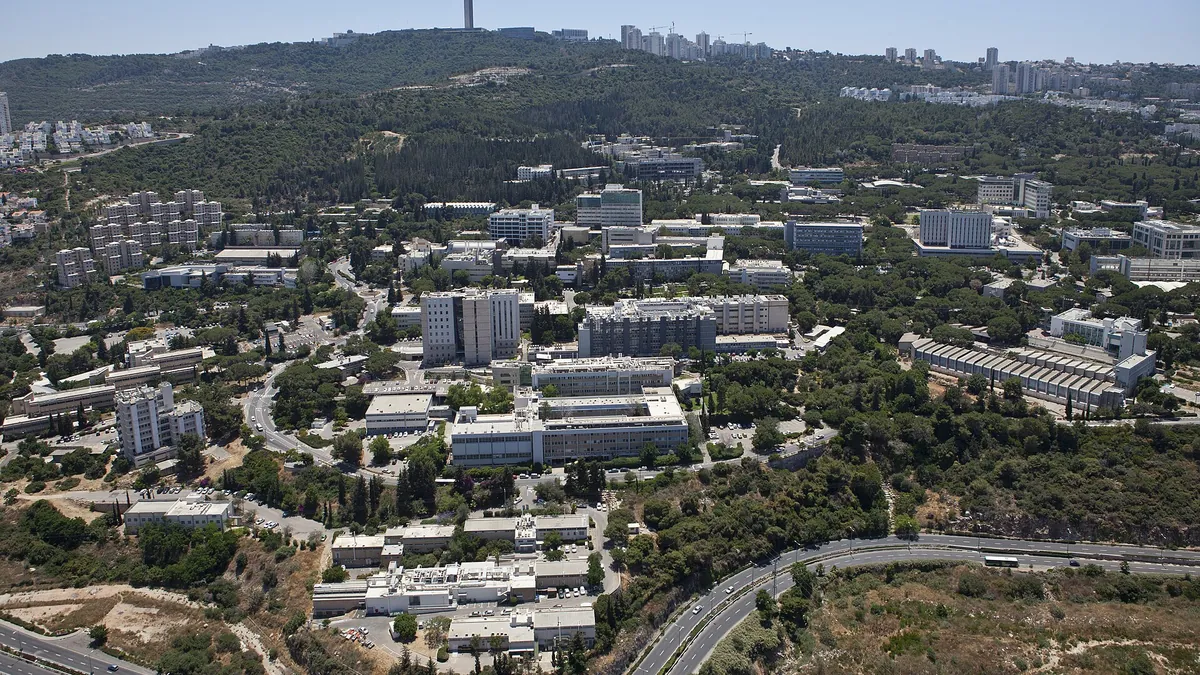
Archive image · Photo: Technion / Israel Istitute of Technology / Wikimedia Commons, CC BY-SA 2.0 (cropped and resized)
Water electrolysis normally produces oxygen alongside hydrogen. Researchers at the Technion – Israel Institute of Technology in Haifa replace it with a far more valuable product, an epoxide, an important building block for making polymers. The work was led by Prof. Avner Rothschild and Dr. Guilin Ruan, who co-developed the process. The study was published in the journal Nature Communications.
Both processes reached an efficiency of 98 percent, with only about 2 percent of the charge lost to side reactions. No membrane is needed between the electrodes. According to Rothschild, the current density achieved is compatible with large-scale industrial electrolysis. A patent application has been filed in the United States.
Background: producing hydrogen from natural gas or coal accounts for about 2 percent of global CO₂ emissions. A valuable by-product could make green hydrogen more economical. The process builds on the group's earlier membrane-free electrolysis technologies, one of which is already being implemented by the company H2Pro; the work was funded in part by the European Research Council.