
KfW study: Climate neutrality will cost Germany 6 trillion euros by 2045
Germany would need about 290 billion euros a year but has been investing around 110 billion. Transport accounts for almost half of the total. KfW chief Wintels says private capital is key.
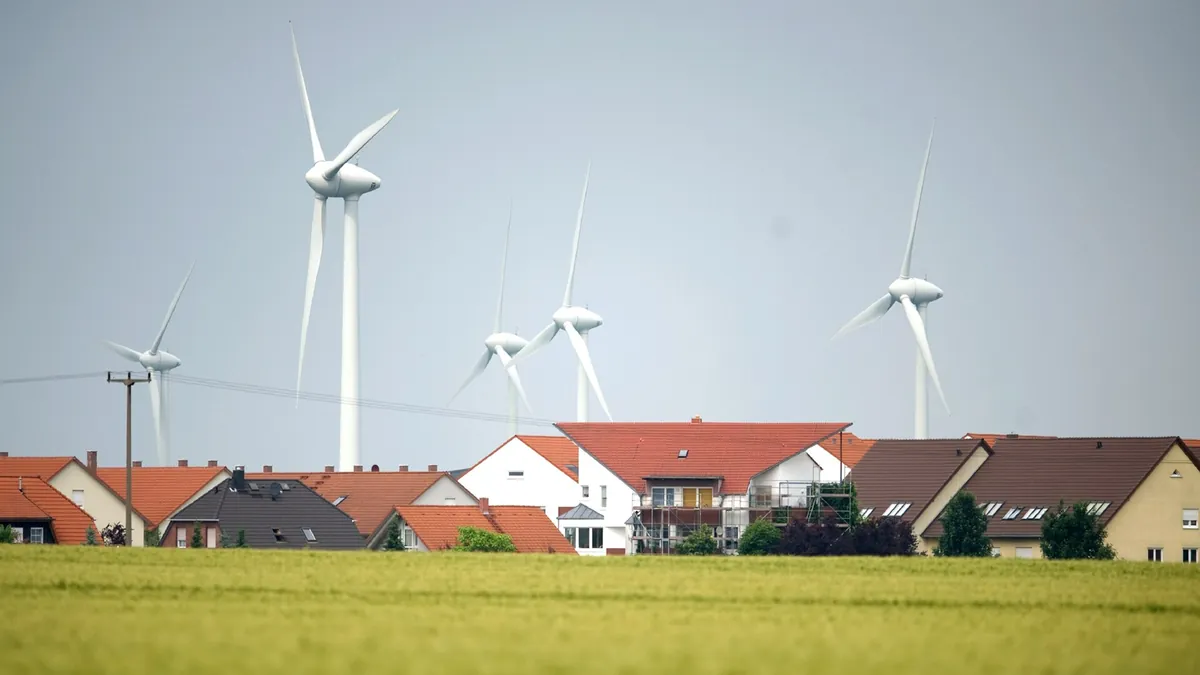
Symbolic image · Photo: André Künzelmann/UFZ / Wikimedia Commons, CC BY-SA 4.0 (cropped and resized)
Germany needs to invest about 6 trillion euros, or roughly 290 billion euros a year, to reach climate neutrality by 2045, according to a new study commissioned by state-owned development bank KfW. The estimate by research institute Prognos is 1 trillion euros higher than a previous study from 2021. Transport accounts for the largest share at 45%, followed by energy at 25%, buildings at 22% and industry at 8%.
Businesses, households and the state have recently invested only about 110 billion euros a year on average. If that continues, the study sees a gap of about 180 billion euros annually. It puts the additional cost compared with fossil technologies at 65 billion euros a year, less than 2% of economic output. The public sector would cover about 12%, with private investors providing the bulk.
"Investments of 6 trillion euros by 2045 are an enormous effort," KfW CEO Stefan Wintels said. "Climate neutrality can only succeed by mobilising private capital." The study was released four weeks before the start of the UN climate conference.