
Not chips but cash: Broadcom and Intel CEOs see capital as AI's biggest bottleneck
Demand for computing power is likely to outstrip supply until 2029, but financing may be the biggest hurdle, Broadcom CEO Hock Tan and Intel CEO Lip-Bu Tan said in Singapore on Monday.
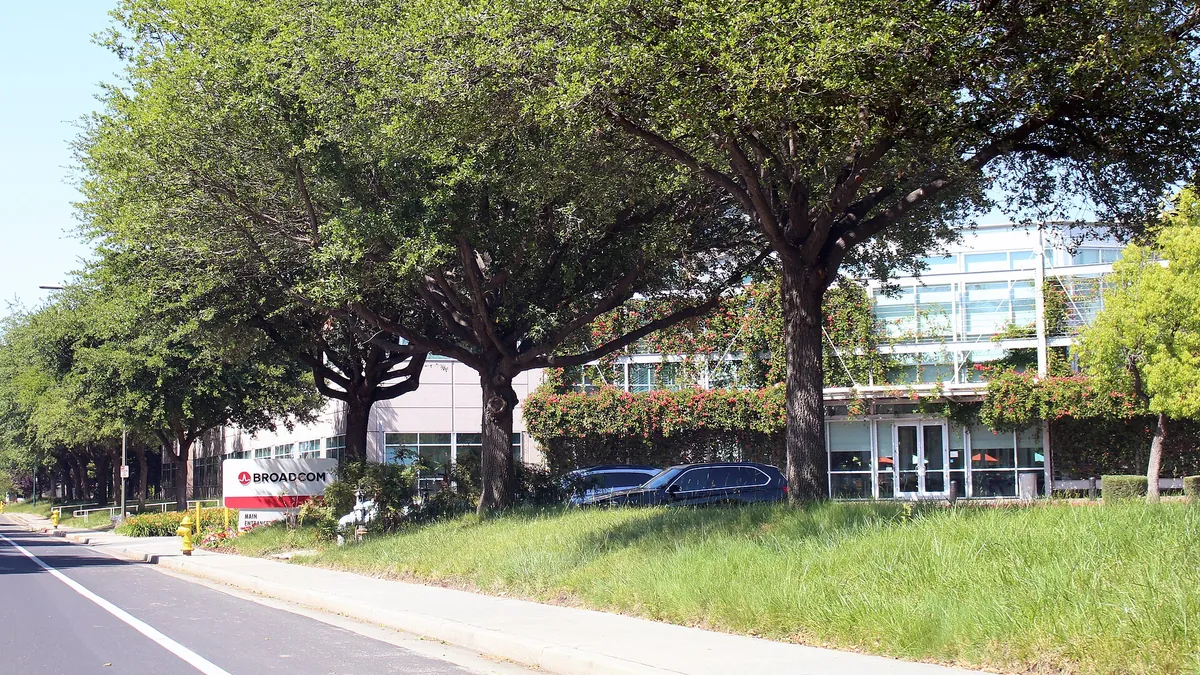
Archive image · Photo: Coolcaesar / Wikimedia Commons, CC BY-SA 4.0 (cropped and resized)
Capital, rather than memory chips or power, could become the biggest brake on the AI boom, Broadcom CEO Hock Tan said on Monday at the DBS Asia Future Forward Conference in Singapore. Broadcom is overcoming wafer and memory shortages, Reuters reported. "There is more demand for compute infrastructure than we can supply," Tan said, according to CNBC, adding that the imbalance could last through 2029, possibly into 2030.
Intel CEO Lip-Bu Tan struck a similar note: "If there's any challenge in the front, it's capital and the cost of capital." Rising borrowing costs make building data centers and buying chips more expensive. He expects no significant AI slowdown over the next two to three years, but said companies will need to show returns through efficiency gains and new business models.
Hock Tan expects wafer shortages to ease by 2028 or 2029. On the memory crunch, he said: "Memory shortage today might not be that way a year from now." Demand could cool if new AI models disappoint, he warned. Anthropic and OpenAI have shown they can generate significant revenue from their latest models, he said.