
A nuclear plant from the shipyard: MIT spinout aims to cut build time to about three years
Blue Energy has 1,500-tonne plant blocks made in shipyards and delivered by sea. Its first project in Texas is to supply power from 2030 with gas, and from 2032 with small reactors.
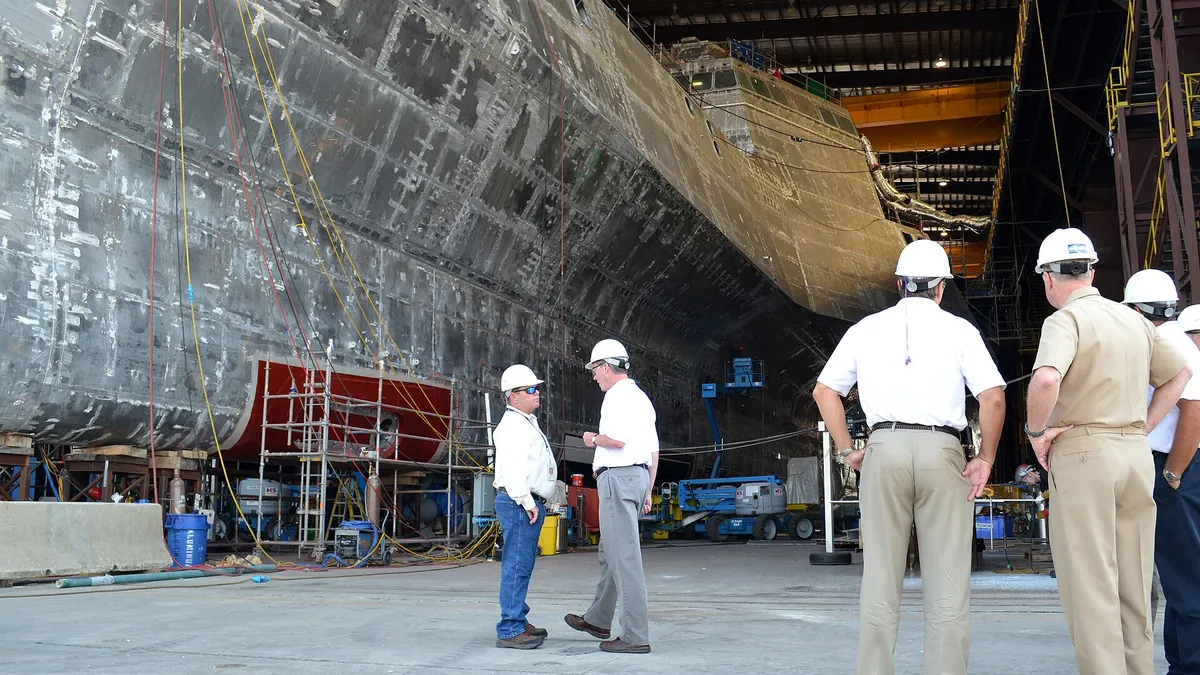
Symbolic image · Photo: U.S. Navy photo by Mass Communication Specialist 2nd Class Shannon Eve Renfroe / Wikimedia Commons, Public domain (cropped and resized)
Founded in 2023, the start-up Blue Energy wants to fundamentally change how nuclear power plants are built. Founder and CEO Jake Jurewicz studied nuclear engineering and physics at MIT. Instead of years of work on site, the company has large plant sections – called Blue Blocks – built in shipyards. Each block weighs about 1,500 tonnes, arrives by barge mechanically and electrically functional and only needs final assembly. "The nuclear problem is a construction problem," says Jurewicz.
The first project is a 2.5-gigawatt hybrid plant in Victoria, Texas. From 2030, two GE Vernova gas turbines are to deliver one gigawatt; from 2032, up to five small modular light water reactors from GE Vernova Hitachi are to add another 1.5 gigawatts. The steam turbines for the nuclear part initially run on steam from the gas turbines; the US Nuclear Regulatory Commission (NRC) has approved this gas-to-nuclear approach. In September, Blue Energy submitted the first part of its construction application.
The aim is a build time of about 36 months instead of more than ten years. According to the company, later plants should cost around 5,000 dollars per kilowatt of capacity – less than half the cost of power from the US Vogtle plant, whose Unit 3 came online in 2023, seven years late. Whether the plans work out remains to be seen; the report gives no details on funding.