
Sweeteners in the lab: three in four affect the growth of gut bacteria
Cambridge researchers tested 39 low-calorie sweeteners on 25 species of gut bacteria. Combinations with medicines changed the effects – whether this happens in the body is unclear.
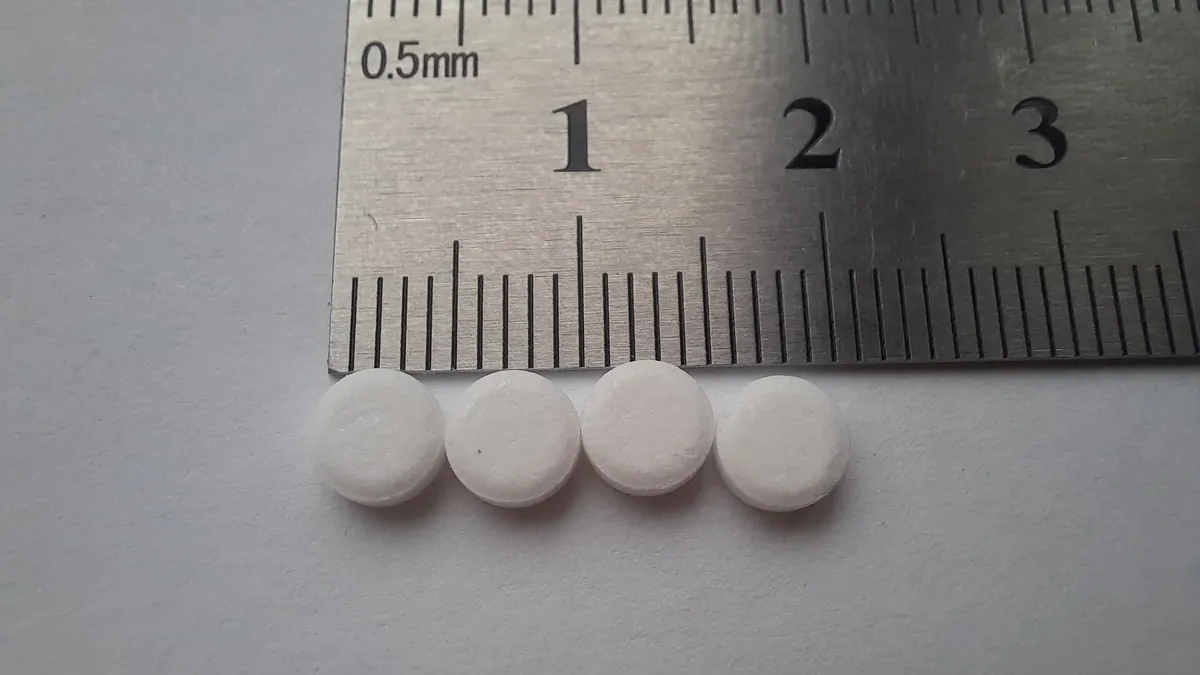
Symbolic image · Photo: Centhum / Wikimedia Commons, CC BY-SA 3.0 (cropped and resized)
Low-calorie sweeteners may not be as neutral for gut bacteria as is often assumed – at least in the lab. Researchers at the University of Cambridge's MRC Toxicology Unit tested 39 commercially available artificial and naturally derived sweeteners on 25 species of human gut bacteria, each grown separately. Around three-quarters of the sweeteners changed the growth of at least one species: some slowed it, others stopped it entirely. The effects differed by sweetener and by bacterium. The study was published in the journal Molecular Systems Biology; ScienceDaily reported on it on 17 October 2026.
The team also combined the sweeteners with caffeine, vanillin, the sweetener advantame and eight widely used medicines. In more than 100 cases this changed the effect: it became stronger 34 times and weaker 68 times. One combination stood out – the steviol derivative isosteviol with the antidepressant duloxetine. It strongly inhibited two species linked to gut health and blood sugar regulation, and reduced diversity in an artificial community of all 25 species. "Sweeteners are often marketed as metabolically neutral, but our study challenges this idea," said first author Sonja Blasche.
The authors stress the limitations: all experiments ran under controlled laboratory conditions with isolated cultures, and the human gut is far more complex. It is unclear whether the changes occur under normal dietary conditions or have measurable health effects. The study shows neither that people taking duloxetine experience such effects nor that sweeteners are harmful. According to senior author Kiran Patil, most of what is known about sweeteners' health effects so far comes from animal research or population studies. The work was funded by the EU's Horizon 2020 programme and the UK Medical Research Council.
This article is for information only and is not legal, tax, financial or medical advice. Figures as of the date stated.