
IIASA study: National methane plans deliver just 11 percent – the target is 30
If all national methane plans were implemented, emissions would fall by up to 11 percent by 2030. The study finds 22 percent achievable at low cost, with the biggest lever in oil, gas and coal.
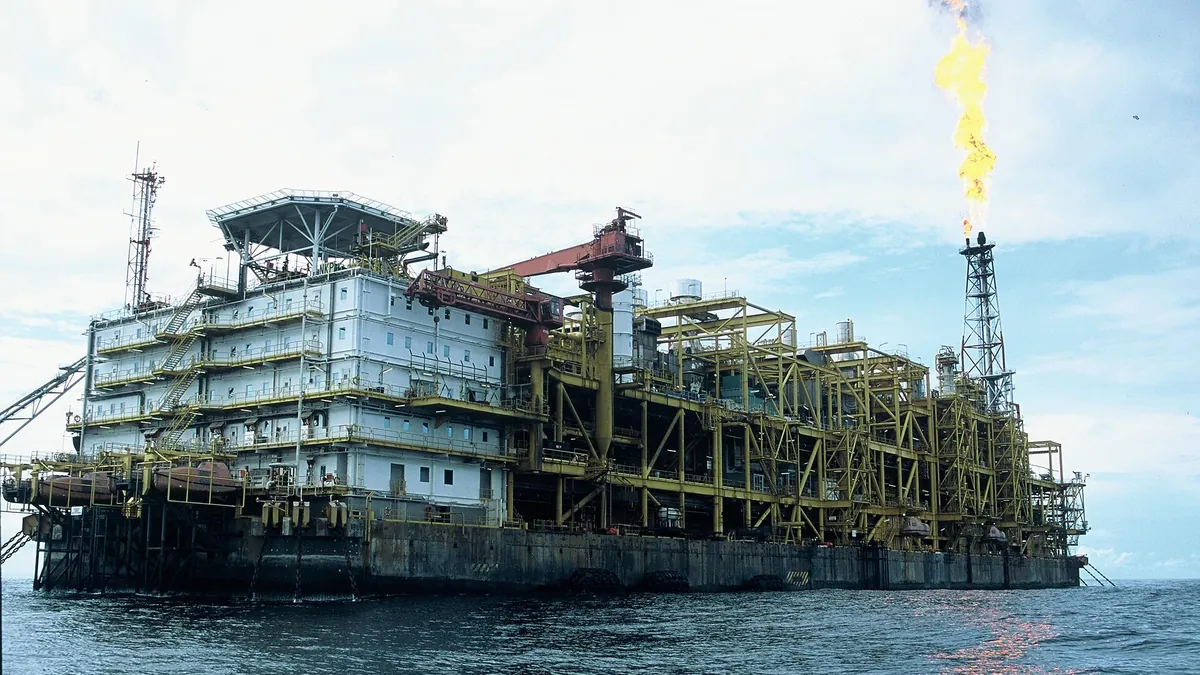
Symbolic image · Photo: Stephane Lesbats (IFREMER, Pôle Images, Centre Bretagne - ZI de la Pointe du Diable - CS 10070 - 29280 Plouzané, France) / Wikimedia Commons, CC BY 4.0 (cropped and resized)
If all countries fully implemented their national methane plans, global emissions of the greenhouse gas could fall by up to 11 percent between 2020 and 2030. That is the finding of a study by the International Institute for Applied Systems Analysis (IIASA) near Vienna, with co-authors from the UN Environment Programme (UNEP), published in the journal Global Biogeochemical Cycles (IIASA release of 19 October 2026). This would reverse the current upward trend but clearly miss the goal of the 2021 Global Methane Pledge, under which 159 countries and the European Commission committed to cutting emissions by 30 percent from 2020 levels by 2030.
According to the authors, the modelling shows that a reduction of around 22 percent could be achieved at relatively low cost. A 30 percent cut is considered technically feasible but would nearly exhaust the potential of existing technology and is difficult in the time remaining. The fossil fuel sector offers the biggest lever, with about 70 percent of the technical mitigation potential to 2030: less venting and flaring of associated gas, fixing leaks along oil and gas chains and limiting coal mining emissions. In waste, diverting organic waste from landfills and managing old landfills help. Agriculture, especially digestion in ruminants, is the hardest to abate.
For context, about two thirds of global methane emissions come from human sources, roughly 40 percent each from energy and agriculture and 20 percent from waste and wastewater. According to the release, methane has contributed around 0.5 degrees of warming since pre-industrial times, about a third of that observed so far. The results are scenario calculations, not measurements. "It is late, but not too late to achieve significant and meaningful reductions in methane emissions," said lead author Lena Höglund-Isaksson. Further cuts could avoid a few tenths of a degree of warming by 2050, she said.