
Syphilis: researchers develop a rapid test that combines two lab analyses
A new test strip from Penn State is designed to reveal syphilis antibodies even in small amounts – while the patient is still at the clinic. So far it has been tried on only 36 samples.
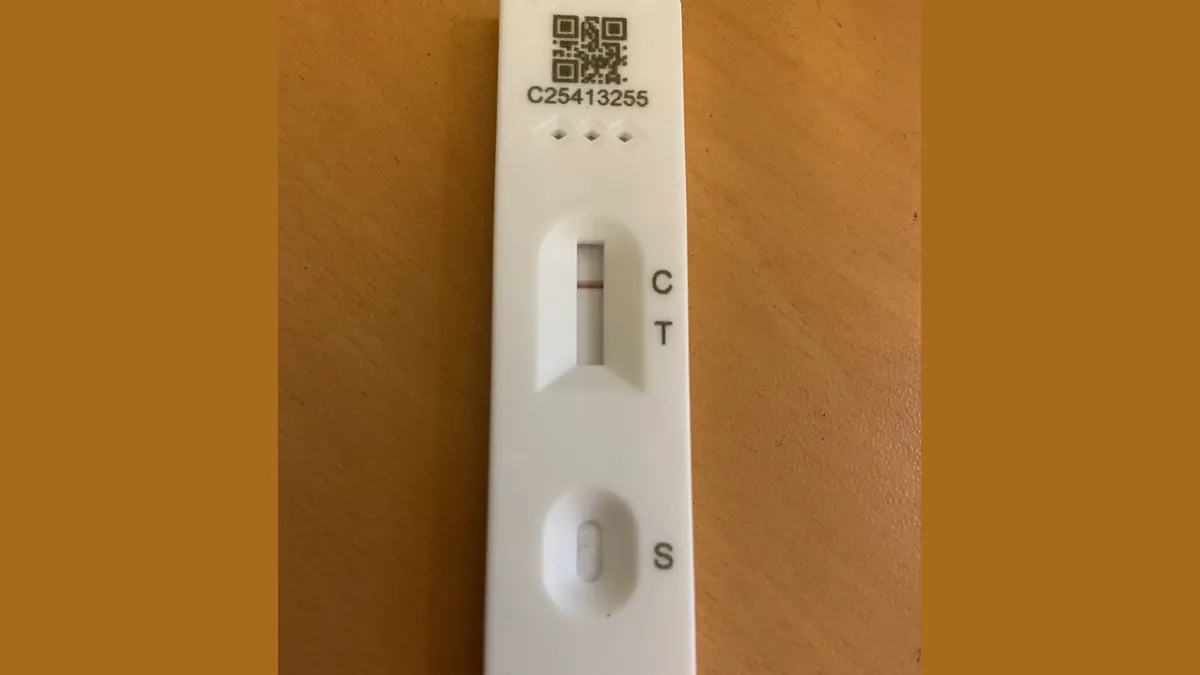
Symbolic image · Photo: Secretlondon / Wikimedia Commons, CC BY-SA 4.0 (cropped and resized)
Syphilis has been spreading in Europe for years: according to figures released in May by the EU health agency ECDC, 45,577 cases were reported in the EU/EEA in 2024, more than double the 2015 level; congenital syphilis cases in 14 reporting countries rose from 78 to 140 within a year. Diagnosis has usually required several steps: one test looks for antibodies against the bacterium Treponema pallidum, a second for antibodies that point to an active infection. Researchers at Penn State University in the United States have now developed a rapid test strip designed to combine both analyses in a single step. The work was published in the journal ACS Sensors and presented by the university on 15 October.
At the heart of the advance are tiny three-layer particles – a silver layer sandwiched between two layers of gold – that amplify the signal on the strip. In comparisons, test lines were 19 to 46 per cent stronger than with conventional gold particles, with the largest gains at very low antibody levels; according to the university, the line remained visible with three times fewer target molecules. The aim is for treatment decisions to be made before patients leave the clinic. Rapid tests currently approved in the US detect only one of the two antibody types, the researchers say. “We are not asking clinicians to abandon this well-established diagnostic pathway,” said the project's lead, Dipanjan Pan.
It is still a pilot device: it was tested on 36 clinical specimens supplied by the US Centers for Disease Control and Prevention (CDC) and a specimen provider. The university plans larger validation studies, further prototype development and a regulatory submission; a patent has been applied for. Funding came from sources including the US National Institutes of Health, the CDC, the National Science Foundation and a US Department of Defense research programme. Syphilis can be treated with antibiotics; condoms reduce the risk of infection, and doctors and public health services offer testing if an infection is suspected.
This article is for information only and is not legal, tax, financial or medical advice. Figures as of the date stated.