
Battery recycling with water: new binder dissolves without toxic chemicals
Researchers at UC San Diego and Toyota have developed a fluorine-free binder for lithium-ion batteries. To recycle them, it is enough to soak the electrodes in water.
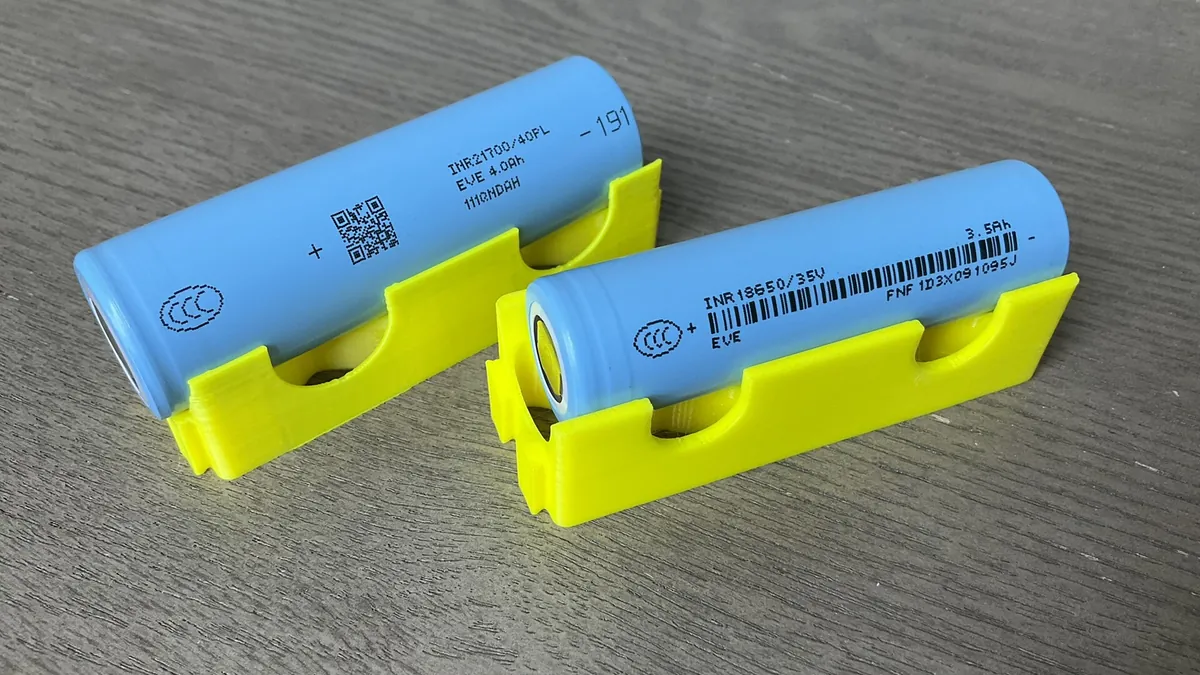
Symbolic image · Photo: Sevenethics / Wikimedia Commons, CC0 (cropped and resized)
In lithium-ion batteries, a binder holds the active materials on the electrodes' metal foil. Fluorine-containing plastics are standard; they are processed with toxic solvents, drying ovens and costly solvent recovery – and during recycling can only be removed with high heat or corrosive chemicals. A team led by Zheng Chen at the University of California San Diego, together with the Toyota Research Institute of North America, has presented an alternative; the study was published in Nature Communications.
The new binder contains no fluorine and is processed with water. It consists of polyacrylic acid and carboxymethyl cellulose, linked into a network with citric acid. Batteries using it matched the initial performance of conventional cells and retained their capacity longer over hundreds to thousands of charge cycles. It works with LFP and nickel-rich cathodes as well as graphite and silicon anodes.
For recycling, the electrodes are soaked in water: the binder dissolves and the coating separates from the foil without residue. After regeneration, the recovered materials performed as well as material recovered from batteries with a conventional binder. Next, the team wants to scale up production and bring the binder to market with industry partners.