
New plastic tax: what could make yoghurt pots and PET bottles dearer in Germany from 2027
The German government plans a levy of 550 euros per tonne of plastic in packaging. According to the environment ministry, a yoghurt pot would cost only a fraction of a cent more – critics warn of red tape.
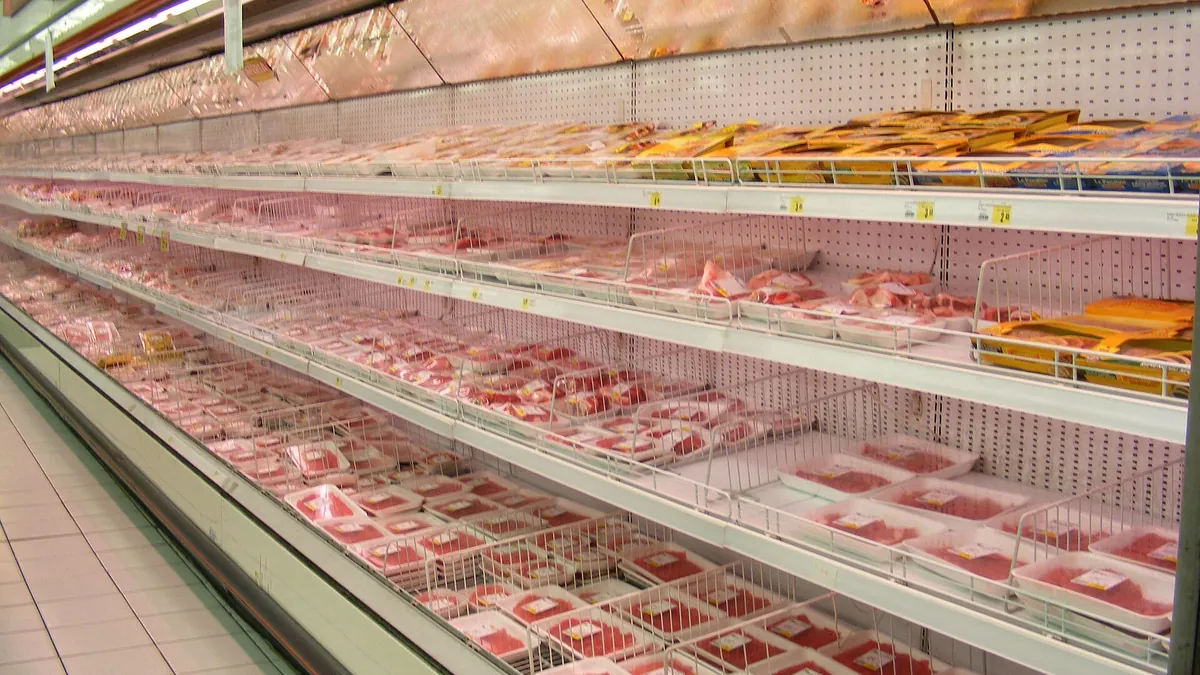
Symbolic image · Photo: User:Mattes / Wikimedia Commons, CC BY-SA 4.0 (cropped and resized)
Consumers in Germany are likely to face a new tax. According to a t-online report of 7 October, a draft bill from the Federal Environment Ministry under Carsten Schneider (SPD) provides for a plastic packaging tax law. Under it, 550 euros per tonne of plastic in packaging would be due from July 2027; the law itself is due to take effect on 1 January 2027. According to the draft, the government expects revenue of 670 million euros in 2027 and around 1.5 billion euros a year from 2028. The levy is also intended to offset the EU plastic levy in place since 2021.
According to the ministry's calculations, the extra cost per purchase would be small: a yoghurt pot would cost about 0.28 cents more, a large PET bottle around 1.93 cents. According to the trade journal "Neue Verpackung", packaging made of paper, cardboard, metal or textiles would also be taxable once its plastic content reaches 5 percent of its weight. No exemption for reusable packaging is planned, and recycled plastic is initially not exempt either.
The German Chemical Industry Association (VCI) criticises the plan as a "bureaucracy project with an ecological label" and calls for recycling to be rewarded rather than red tape built up. The ministry puts the administrative costs at 44 million euros a year; critics consider that too low. According to t-online, Spain charges 450 euros per tonne – but only on non-recycled plastic – and Italy plans such a levy from 2027. The German rate would be above the EU average, t-online writes.
This article is for information only and is not legal, tax, financial or medical advice. Figures as of the date stated.