
Plexiglas back to raw material: ETH breaks down acrylic glass at just over 200 degrees
A single cheap reagent is enough: ETH Zurich researchers break acrylic glass down into its building blocks without solvents – at about half the previous temperature and with yields of up to 98 per cent.
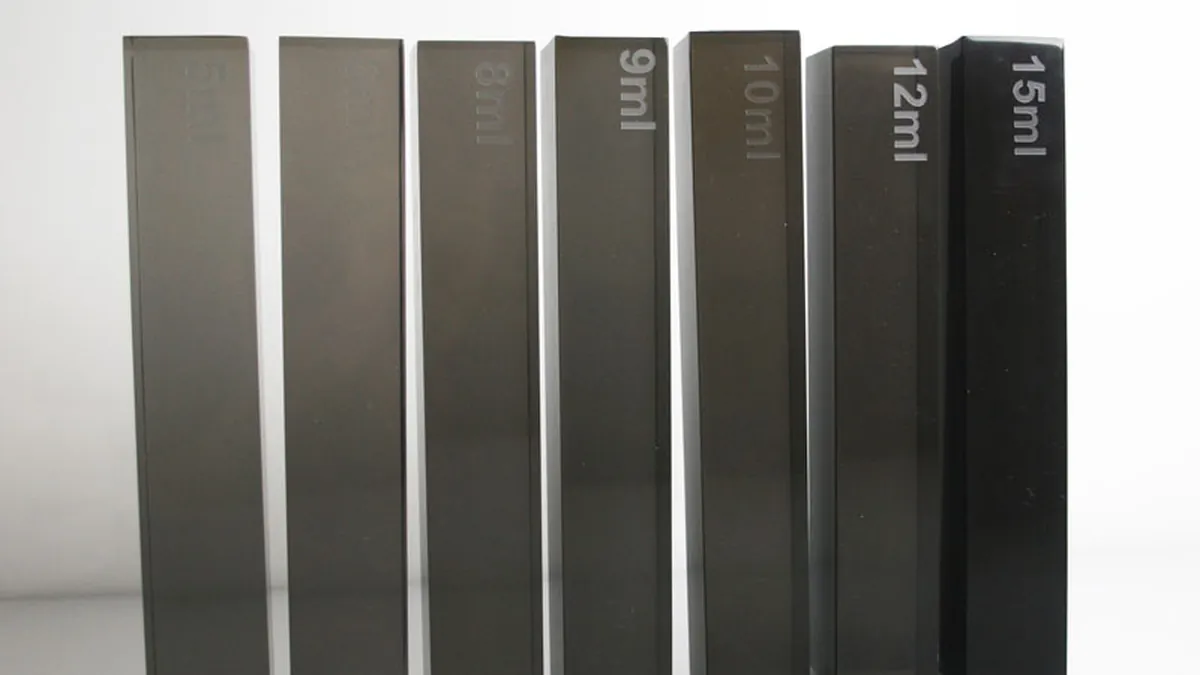
Symbolic image · Photo: Craig Cameron / Wikimedia Commons, CC BY-SA 3.0 (cropped and resized)
A team led by materials scientist Athina Anastasaki at ETH Zurich has presented a method for chemically recycling acrylic glass (PMMA, known as Plexiglas). The study appeared in the journal Nature Chemistry, and ETH reported on it on 19 October. The lead author is Richard Whitfield, a former research associate in the group.
The plastic is broken down into its monomers using a single, commercially available and inexpensive reagent from the N-hydroxyimide family – without solvents. According to ETH, depolymerisation starts at just over 200 degrees Celsius instead of the previous minimum of 400 degrees, with monomer yields of up to 98 per cent. The recovered building blocks are very pure, even when the starting material contains dyes, and yield new plastics of original quality. "What makes our new approach so exciting is its simplicity," says Whitfield.
Pyrolysis, the usual alternative, operates above 400 degrees and yields monomers with up to three per cent impurities. The new method is designed to work with existing equipment. ETH has filed a patent application and is seeking licensees; next, the team wants to scale up the process and apply the principle to polystyrene.