
New supply for cancer therapy: Researchers expand immune cell precursors in the lab
A USC team can expand immature immune cells long-term and equip them with a CAR receptor. In mice, they slowed blood cancer and solid tumors. Whether it works in humans is unclear.
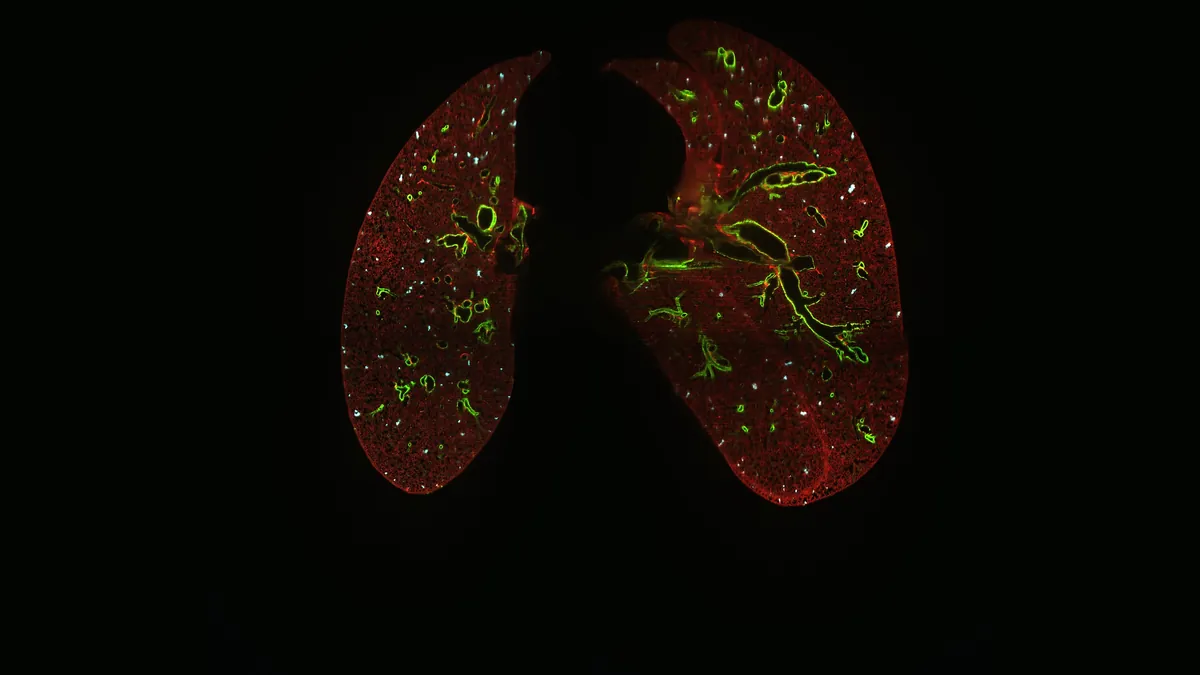
Symbolic image · Photo: Shimpei Kubota / Wikimedia Commons, CC BY 4.0 (cropped and resized)
Researchers at the Keck School of Medicine of the University of Southern California (USC) have found a way to expand precursors of immune cells in the lab over long periods and genetically reengineer them to fight cancer. The work involves so-called granulocyte-monocyte progenitor cells (GMPs), which in the body give rise to, among other things, macrophages, scavenger cells that can penetrate tumors. With a defined mixture of chemicals, the cells survived and divided without maturing prematurely. The study was published in the journal Cell; a Stanford University lab led by Ravi Majeti was able to independently replicate the method.
Existing cell therapies have two problems: it is difficult to produce enough cells, and they often do not remain active in the body for long. Mature macrophages are hard to expand and freeze and accumulate in the lungs and liver after infusion. The progenitor cells, by contrast, settled in the bone marrow of mice and continuously produced new, reengineered immune cells there. Equipped with a chimeric antigen receptor (CAR) that recognizes a cancer marker, they slowed both blood cancer and solid tumors. Cells with an additional signal that attracts other immune cells worked better.
According to the study, this additional signal also worked when donor and recipient were not immunologically matched, a prerequisite for premade "off-the-shelf" therapies. In a mouse model of an inherited immunodeficiency, the cells also restored defenses against bacteria. However, the results come from laboratory and animal experiments; safety and efficacy in humans are unknown. "The study establishes a scalable and genetically engineerable GMP platform for cellular immunotherapy," said study leader Qi-Long Ying.