
Second life for power tool batteries? Study sees potential, but recycling still leads
A DBU-funded project involving Bosch Power Tools examined more than four tonnes of old batteries. The result: reuse is technically possible but held back by costs and rules.
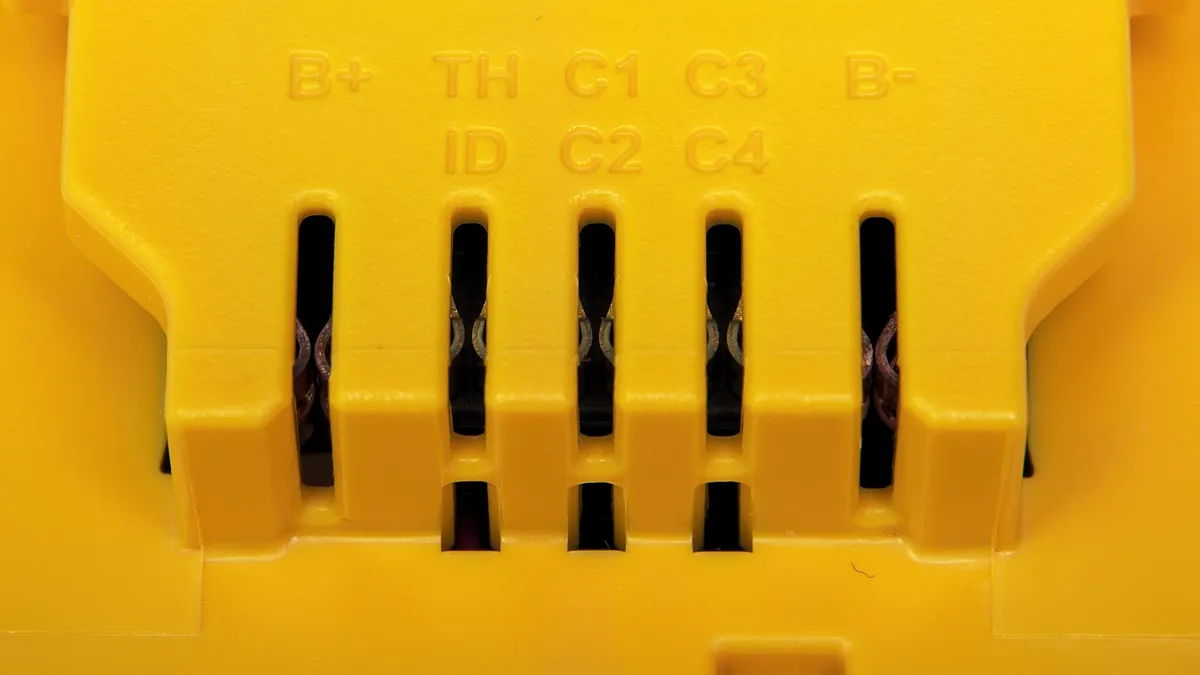
Symbolic image · Photo: DragonLord / Wikimedia Commons, CC BY-SA 3.0 (cropped and resized)
Spent batteries from drills and cordless screwdrivers could technically get a second life, but in practice most of them will continue to be recycled. That is the conclusion of the EASLi research project led by the Stiftung GRS foundation, as reported by Battery-News. Partners included Bosch Power Tools, the take-back scheme GRS, testing firm Battery Damage Service and the companies ERLOS and ECOLOGICON. The project was funded from January 2025 to February 2026 by the German Federal Environmental Foundation (DBU).
In three sorting campaigns, the partners examined more than four tonnes of returned batteries. About 55 percent of the power tool batteries were lithium-ion and 37 percent still nickel-cadmium, even though the latter have been banned in new power tools since 2017. Batteries with a readable manufacturing year were handed in on average around ten years after production; the oldest dated from 1989. Of 265 tested 18-volt packs, 62 percent were deeply discharged; in small, non-representative samples, 30 and 11 percent respectively were judged reusable.
According to the study, refurbishment currently barely pays off at German labour costs, as testing equipment would cost more than resale revenue. Legal hurdles add to this: old batteries count as waste, manufacturers often lack the required certifications, liability, warranties and uniform testing standards are unresolved, and glued casings make refurbishment harder. Hydrometallurgical recycling is therefore expected to handle the largest share. The partners propose decision trees for collection points and sorting plants as well as a digital product passport or QR code, which is not yet mandatory for power tool batteries.