
Caffeine in children: Even one cup a week linked to smaller brain surface area
An analysis of the U.S. ABCD study of 9,632 children finds a link between caffeinated drinks, shorter sleep and brain structure. Cause and effect remain unclear.
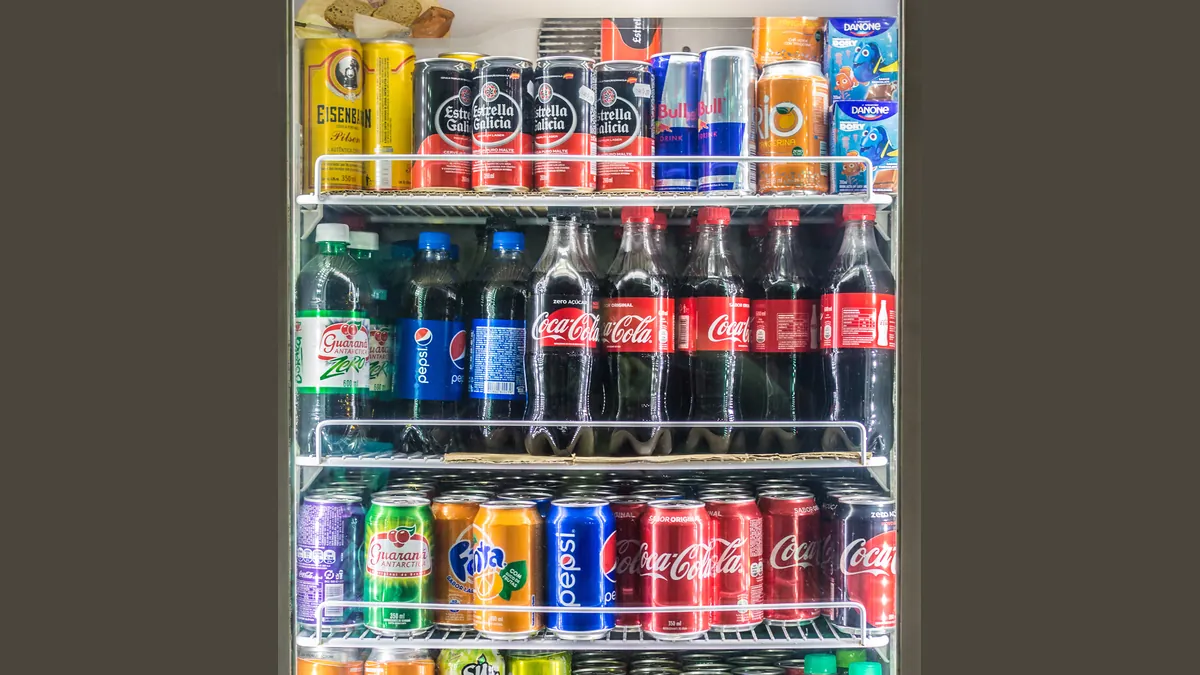
Symbolic image · Photo: Wilfredor / Wikimedia Commons, CC BY-SA 4.0 (cropped and resized)
Children who consume caffeinated drinks have a slightly smaller surface area of the cerebral cortex, according to a new analysis. Researchers at King’s College London analyzed data from 9,632 children aged 9 to 11 from the U.S. long-term ABCD study. The paper appeared as an advance online version in the journal Biological Psychiatry: Cognitive Neuroscience and Neuroimaging and was accepted on Sept. 22, 2026.
According to the study, higher caffeine consumption was associated with a smaller brain surface area in 22 regions; total surface area was smaller from about one cup a week, which the authors say still needs to be confirmed. The result was driven mainly by soda; on average, the children drank 1.2 cups of soda and 0.2 cups of coffee a week. The researchers found no association for tea. Part of the link could be explained by shorter sleep.
The authors point to limitations: brain and consumption were measured only once, caffeine and sleep data are based on self-reports and parent reports, and other factors such as diet, stress or poverty could not be ruled out. A smaller brain surface area does not in itself mean damage, and the study does not show whether it affects thinking or learning. The results are general information and do not replace medical advice.
This article is for information only and is not legal, tax, financial or medical advice. Figures as of the date stated.