
App monitoring after surgery: 22% fewer serious complications
An analysis of 38 studies with 7,507 patients shows benefits of digital follow-up care. What matters, though, is that medical staff actually read the reported data and respond.
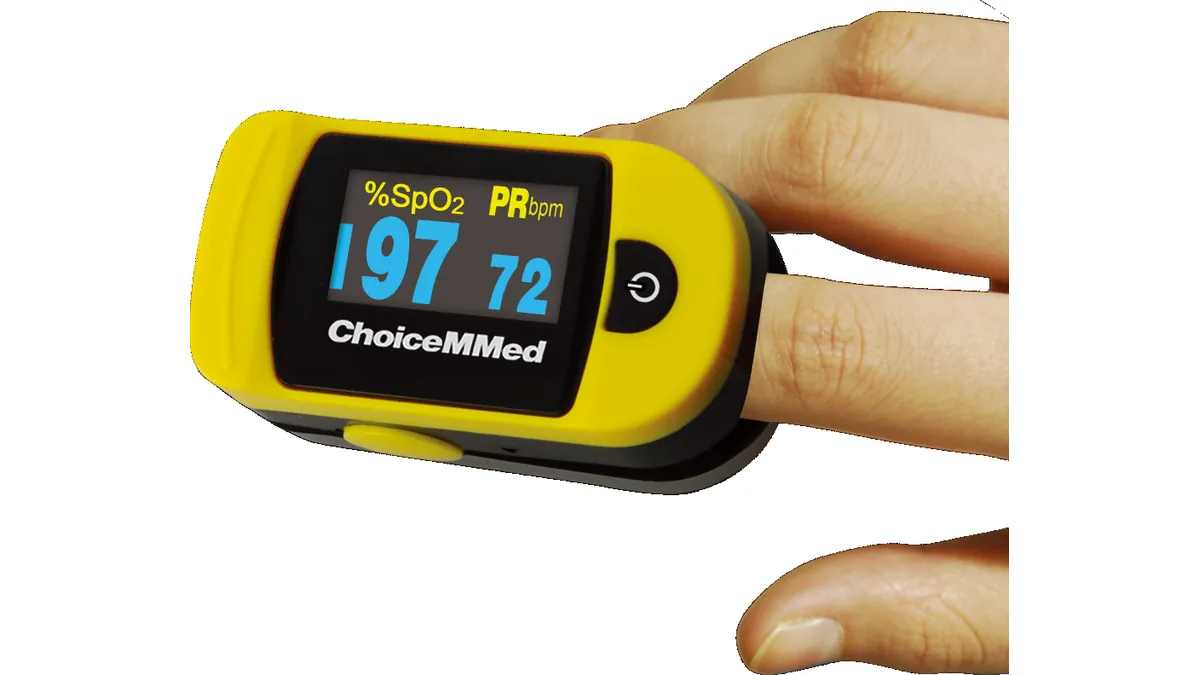
Symbolic image · Photo: Thinkpaul / Wikimedia Commons, CC BY-SA 3.0 (cropped and resized)
Patients who report their condition daily via a smartphone app or web portal after surgery have a lower risk of serious complications. That is the finding of a meta-analysis of 38 studies with a total of 7,507 patients presented at the American Society of Anesthesiologists' ANESTHESIOLOGY 2026 annual meeting in San Diego. The lead author is medical student Mouad Elganga of the University of Toronto. In most programs, patients reported pain, fever, nausea or the appearance of the wound; some also used fitness trackers or Bluetooth devices such as blood pressure monitors, thermometers or pulse oximeters.
Compared with usual follow-up care, the risk of serious postoperative complications fell by 22%, as did the risk of emergency department visits; hospital readmissions declined by 15%. Patients also reported less pain and anxiety and a better quality of life. However, the total number of all complications did not fall significantly; the apps apparently help mainly to detect warning signs early.
Readmissions declined only when a member of the surgical team or a nurse reviewed the data and was able to act. "Just using an app may not make recovery safer," Elganga said. Patients should ask who looks at the information, how quickly there is a response and what happens if something is abnormal. The results come from a conference presentation; according to the ASA, the press release may contain updated data that were not available when the abstract was submitted.